Downsizing in West Toronto: A Complete Roadmap for a Stress-Free Transition
01/21/26

A downsizing home decision carries more weight in Toronto than it once did. Rising property values, changing household needs, and the cost of long-term upkeep have pushed many homeowners to rethink how much space they truly need. In West Toronto, this shift is especially noticeable among long-term owners who have lived in the same home for decades.
Downsizing has become common among empty nesters, retirees, and families simplifying their daily lives. The choice often comes with financial benefits, but it also brings practical and emotional adjustments. Selling a familiar home, sorting belongings, and choosing the next place requires clear planning.
This article serves as a step-by-step downsizing guide grounded in Toronto realities, with local insight for West Toronto homeowners. It outlines what downsizing involves today, how to decide on timing, and which housing options align with different lifestyles.
- What Does Downsizing Mean in Toronto Today?
- Is It the Right Time to Start Downsizing Your Home?
- Downsizing Home Options in West Toronto
- How Home Downsizing in Toronto Affects Your Finances
- A Practical Downsizing Home Checklist Before You Sell
- Selling First or Buying First: What Works Best When Downsizing?
- Common Downsizing Mistakes Toronto Homeowners Regret
- Why Downsizing Is Different in West Toronto
- Planning Your Next Chapter With Confidence
What Does Downsizing Mean in Toronto Today?
Homeowners often ask, what does downsizing mean in today’s Toronto market. Downsizing is no longer only about moving into a smaller home. For many, it means shifting into a property that better fits current routines, health needs, and long-term plans.
In Toronto, downsizing often involves moving from a detached house to a condo, townhome, or a smaller freehold property. Maintenance, accessibility, and proximity to services usually outweigh square footage. According to housing research published by the Canada Mortgage and Housing Corporation (CMHC), many older homeowners now prioritize ease of living and predictable housing costs over home size, hence the need for senior downsizing.
Toronto downsizing also differs from suburban or rural transitions. Limited housing supply, higher prices, and dense neighbourhoods require careful evaluation of layout and location. In West Toronto, older homes and established streets add another layer, as renovation limits and lot sizes affect how downsizers adapt to new spaces.
Is It the Right Time to Start Downsizing Your Home?
The right time to start downsizing your home often becomes clear through daily experience. Maintenance may feel overwhelming. Spare bedrooms may sit unused. Stairs may raise future concerns. These signs tend to appear before financial pressure does.
Financial readiness plays a significant role. Downsizing can release long-held equity and reduce ongoing costs such as utilities, insurance, and repairs. In established Toronto neighbourhoods, many long-time homeowners have benefited from years of price growth, which can provide greater flexibility when planning the next stage of housing.
Emotional readiness matters just as much. Letting go of a long-held home involves adjustment, especially in communities with strong ties. Timing also matters locally. In West Toronto, inventory levels and buyer demand affect how easily a home sells and how competitive replacement options become. Starting the planning process early gives homeowners more choice and control.
Downsizing Home Options in West Toronto
Condos and Low-Maintenance Living
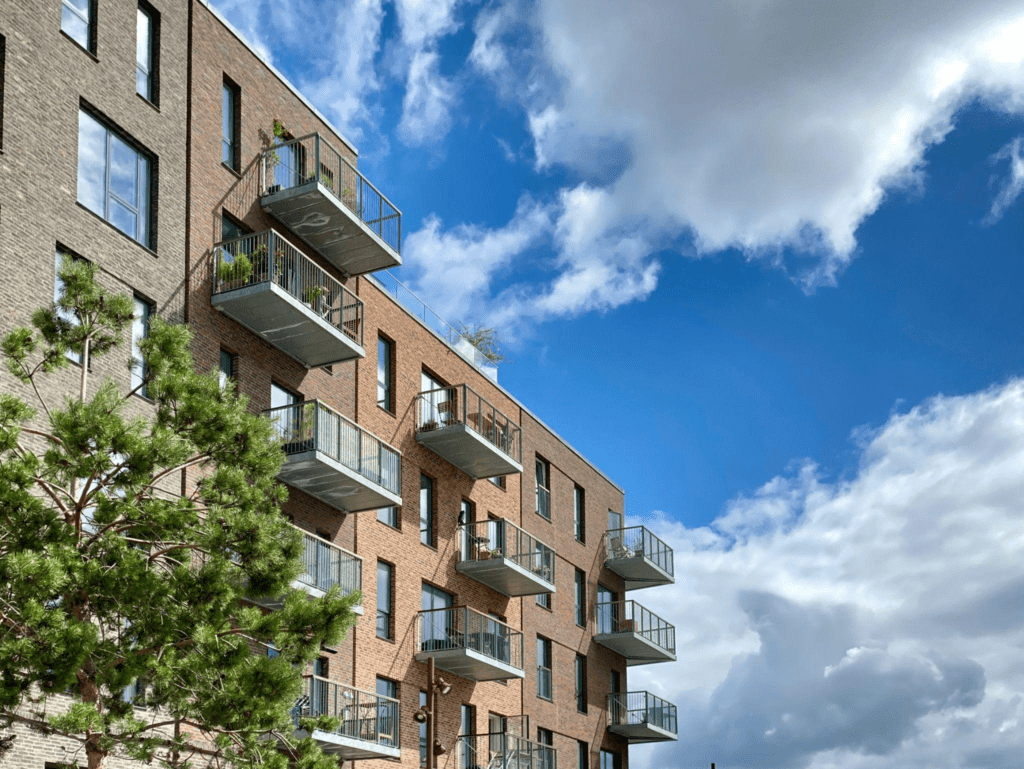
Condos remain a popular downsizing choice in West Toronto due to predictable upkeep and reduced responsibility. The building handles exterior maintenance, snow removal, and common repairs. Condo fees vary widely, so reviewing budgets, reserve funds, and recent building updates is essential.
Areas near Bloor West Village, High Park North, and South Etobicoke offer a mix of older and newer condo buildings. Buyers should carefully assess noise levels, elevator access, and floor plans. Condo living suits homeowners who value walkability and transit access over private outdoor space.
Smaller Freehold Homes and Townhomes
Some downsizers prefer to keep a yard or private entrance. Smaller detached homes and townhouses provide that option while reducing interior space. Maintenance remains part of ownership, but at a lower scale.
This option works well for homeowners who want independence without managing a large property. In West Toronto, smaller freehold homes often attract strong interest due to limited supply, which can affect both pricing and timing.
Staying Local vs Moving Further West
Many homeowners choose to remain close to familiar neighbourhoods. Proximity to healthcare providers, transit routes, and social connections often guides this decision. Staying local can reduce disruption and support daily routines.
Others move further west for newer housing stock or quieter surroundings. Transit access, distance from family, and access to services should guide this choice. Each option involves trade-offs that deserve careful thought.
How Home Downsizing in Toronto Affects Your Finances
Home downsizing in Toronto often starts with equity, but the full financial picture deserves careful review. Many West Toronto homeowners purchased years ago, which means selling a detached or semi-detached home can free substantial capital. That equity may reduce mortgage exposure, fund retirement plans, or cover future care needs.
At the same time, downsizing does not eliminate costs. The Toronto land transfer tax applies to most purchases, including smaller homes and condos. Legal fees, moving expenses, and adjustments can add up quickly. Condo buyers replace repair costs with monthly fees, while smaller freehold homes still require ongoing upkeep, just at a different scale.
Predictability matters most to downsizers, especially those planning for fixed or semi-fixed incomes. Instead of focusing only on the purchase price, review long-term costs to avoid pressure later. A clear budget allows downsizing to feel like relief, not a new source of stress.
A Practical Downsizing Home Checklist Before You Sell
Downsizing works best when broken into clear steps. The checklist below reflects what West Toronto homeowners most often encounter during this transition.
| Step | How to Review These Steps | Importance of Reviewing These Steps |
| Timing | Set a realistic schedule for sorting, selling, and buying | Downsizing often takes longer than expected, especially after decades in one home |
| Possessions | Decide what moves, what is gifted, sold, or donated | Smaller homes require honest space planning |
| Storage | Assess short-term storage needs | Overlapping sale and purchase dates are common in Toronto |
| Home Preparation | Address repairs, cleaning, and presentation | West Toronto buyers respond strongly to well-prepared homes |
| Sale Strategy | Review pricing based on recent local sales | Accurate pricing reduces time on market |
| Temporary Housing | Plan for rentals or family stays if needed | Flexibility reduces pressure during negotiations |
| Professional Support | Work with advisors familiar with downsizing | Experience helps avoid missed details |
This checklist helps turn a major life change into a controlled, manageable process.
Selling First or Buying First: What Works Best When Downsizing?
Selling first offers clarity. Knowing the sale price of your current home enables confident budgeting for the purchase. This approach lowers financial exposure, though it may require short-term housing if the next home is not secured quickly.
Buying first secures your next home but carries risk if the current property takes longer to sell. Bridge financing may be required, and lender terms should be reviewed carefully.
In West Toronto, limited inventory can influence this decision. For example, smaller freehold homes in areas like Bloor West Village or Swansea often attract quick interest, while condos may offer more choice. Planning both scenarios in advance creates flexibility and reduces pressure.
Common Downsizing Mistakes Toronto Homeowners Regret
One of the most common regrets is underestimating the emotional impact of leaving a long-held home. Giving yourself time helps reduce rushed decisions.
Another issue is choosing a new home solely based on price. In West Toronto, walkability, transit access, and proximity to healthcare often matter more than extra square footage.
Future accessibility is also overlooked. Narrow staircases, second-floor bedrooms, and tight bathrooms can limit comfort over time.
Many regrets stem from rushing without guidance. Local experience helps identify concerns early and keeps decisions grounded.
Why Downsizing Is Different in West Toronto
Downsizing in West Toronto comes with specific considerations. Much of the housing stock dates back several decades, which affects layouts and renovation options. For example, moving from a detached home in Baby Point into a smaller freehold property may still involve stairs and limited main-floor living.
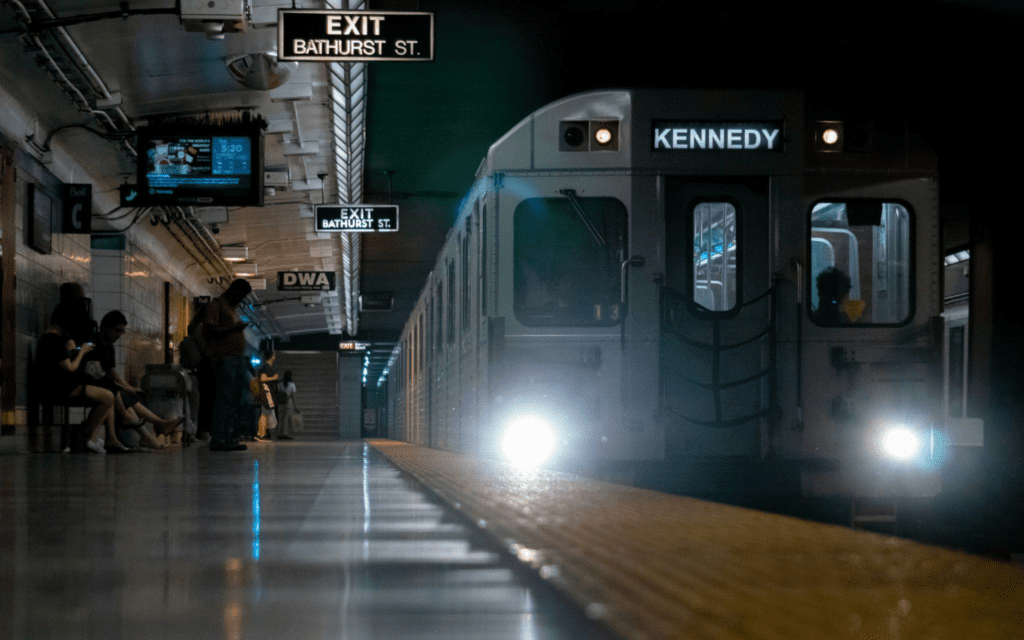
School zones continue to influence resale value, even for downsizers. Transit access also carries more weight here than in car-dependent areas. Proximity to the Bloor subway line or streetcar routes often shapes daily routines.
Community ties are strong. Many homeowners prefer to remain near familiar shops, parks, and neighbours. These connections influence housing choices as much as financial factors and deserve careful thought during the process.
Planning Your Next Chapter With Confidence
Downsizing is not a single decision. It unfolds through planning, reflection, and adjustment. Clear timelines, realistic budgets, and steady support help reduce stress and create better outcomes.
For West Toronto homeowners, a thoughtful approach to downsizing supports comfort, flexibility, and peace of mind. With the right preparation, the transition becomes manageable and purposeful.
Thinking about downsizing in West Toronto?
A focused conversation can help you plan the next stage with clarity. Get a home evaluation or book a downsizing consultation with the Smith Proulx team to review options, timing, and local opportunities.
Sign Up For Our Newsletter
Looking for more great real estate content? Get it delivered to your inbox with our newsletter!