The Definitive Guide to Buying a Home in West Toronto in 2026: Neighbourhoods, Prices, Must-Haves & Market Trends
01/07/26
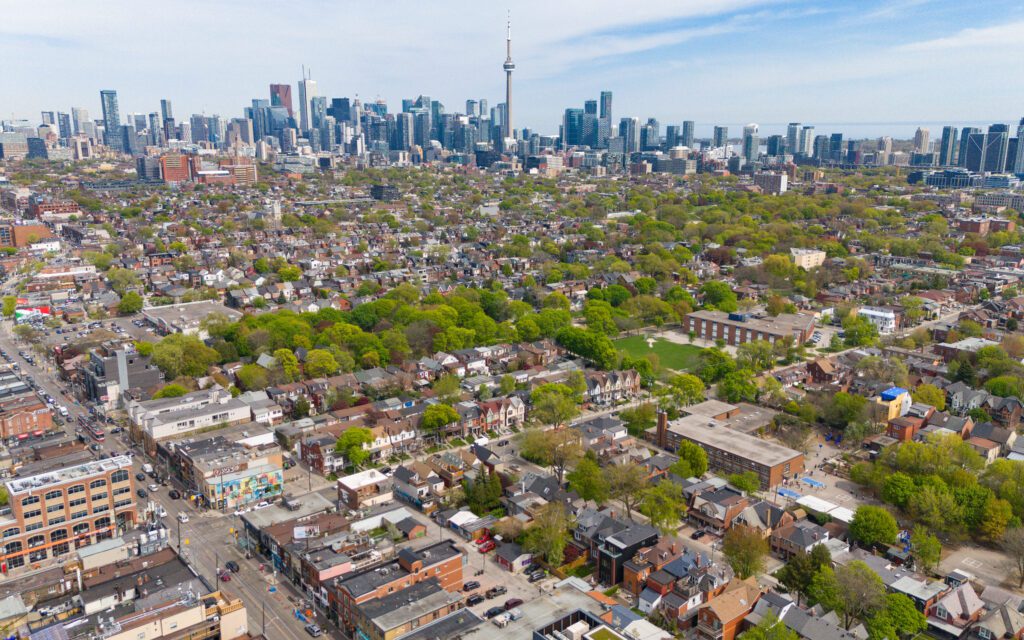
Buying a home in West Toronto requires careful planning and reliable information. This area continues to attract families, professionals, and long-term buyers due to its established neighbourhoods, strong transit access, and consistent demand.
At the same time, prices remain high, competition differs by location, and buyer expectations continue to shift.
This guide explains what buyers need to know before purchasing West Toronto homes. It focuses on neighbourhood differences, price drivers, and market trends that shape decisions today.
Rather than relying on short-term forecasts, this article looks at key structural elements that influence housing outcomes across West Toronto.
- Understanding the West Toronto Housing Market
- Why Buyers Continue to Choose West Toronto Homes
- Key Neighbourhoods Buyers Should Understand
- Pricing Factors That Shape West Toronto Homes
- Buyer Trends Shaping the Market
- How to Buy a Home in Toronto With Fewer Surprises
- What to Know Before Making an Offer in West Toronto
- Avoiding Common Buyer Mistakes
- Making Confident Decisions When Buying West Toronto Homes
Understanding the West Toronto Housing Market
West Toronto does not function as a single housing market. Each neighbourhood responds differently to interest rates, inventory levels, and buyer demand. Some pockets remain competitive, while others allow for longer decision-making timelines.
Research from the Canada Mortgage and Housing Corporation shows that large urban markets often experience uneven adjustments, even within the same city. Supply limitations, zoning controls, and infrastructure maturity play a major role in stabilising prices over time.
West Toronto benefits from long-established infrastructure and limited land availability. These factors restrict rapid overdevelopment, which helps maintain long-term property values.
Buyers should expect fewer sudden price swings compared to newer suburban areas, but also fewer opportunities for steep discounts.
Why Buyers Continue to Choose West Toronto Homes
Several long-term factors support ongoing demand for West Toronto homes.
Location remains a primary driver. Many west-end neighbourhoods offer direct TTC subway and streetcar access along corridors such as Bloor Street and Dundas Street. The City of Toronto’s transportation planning studies confirm that proximity to rapid transit consistently increases residential demand and housing resilience during market slowdowns.
Furthermore, school access also shapes buyer decisions. Families often prioritise neighbourhoods with stable school catchments. Familial preference shows that perceived school quality influences housing prices and buyer competition, even when differences in measured outcomes are small.
Lifestyle preferences further support demand. Buyers increasingly value walkability, local services, and access to green space. West Toronto offers proximity to High Park, waterfront trails, and neighbourhood retail streets, all of which support daily convenience and long-term livability.
Key Neighbourhoods Buyers Should Understand
West Toronto includes a wide range of neighbourhoods, each with distinct pricing patterns and housing characteristics. Buyers who understand these differences make more confident and informed choices.
High Park and Bloor West Village
This area features a mix of detached homes, semi-detached houses, and low-rise condominiums. Buyers value subway access and proximity to High Park. Family demand remains strong due to school access and long-term neighbourhood stability.
Well-maintained homes here often sell close to market value, reflecting steady buyer confidence.
The Junction and Roncesvalles
The Junction and Roncesvalles attract buyers seeking character homes and walkable streets. Many properties are older and require updates. According to Ontario housing guidance, older housing stock often involves higher maintenance and renovation costs, which buyers should factor into pricing decisions
Swansea, Baby Point, and Old Mill
These neighbourhoods offer larger lots, mature trees, and quieter streets. Turnover remains low, which contributes to price stability. Buyers should review heritage guidelines and zoning rules early, as these may affect renovation plans and timelines.
South Etobicoke and Waterfront Areas
South Etobicoke offers a mix of freehold homes and condominiums. Access to TTC routes, GO Transit, and major highways supports commuting flexibility. Condo buyers should carefully review reserve fund studies and status certificates, as advised by the Condominium Authority of Ontario.
Pricing Factors That Shape West Toronto Homes
Pricing across West Toronto homes depends on more than size alone. Buyers should understand what drives value.
Property condition plays a critical role. Functional improvements, such as updated heating systems, sound structure, and modern insulation, influence buyer confidence more than decorative upgrades. According to the Journal of Housing Economics, buyers place greater value on functional reliability than cosmetic features.
Lot size, school catchment areas, and street appeal also affect pricing outcomes. Even small differences in frontage or parking availability can create meaningful price variation between similar homes.
Buyers should also plan for costs beyond the purchase price. Land transfer tax, legal fees, inspections, and future maintenance add to total ownership expenses. The Financial Consumer Agency of Canada recommends accounting for these costs early to reduce financial strain.
Buyer Trends Shaping the Market
Buyer priorities continue to evolve. Many buyers now focus on layout flexibility rather than overall square footage. Home office space, storage, and energy efficiency carry increasing weight in decision-making.
Energy performance has become more important. Government research shows that buyers are paying closer attention to insulation quality, heating efficiency, and long-term utility costs.
Buyers also approach purchases with greater caution. Longer decision timelines and detailed due diligence reflect a shift away from rushed buying behaviour. This trend benefits buyers who prepare early and study neighbourhood-level sales data.
How to Buy a Home in Toronto With Fewer Surprises
Preparation remains the strongest advantage when buying West Toronto homes. Mortgage pre-approval sets clear financial limits and strengthens negotiating positions. Neighbourhood research should include multiple visits at different times of day to assess traffic, noise, and daily convenience.
Buyers benefit from focusing on structure, layout, and long-term suitability rather than staging alone. Common mistakes include skipping inspections and underestimating ownership costs.
For those buying their first home in Toronto, the process rewards patience and planning. Clear guidance and local expertise help reduce uncertainty at every step.
What to Know Before Making an Offer in West Toronto
Making an offer on West Toronto homes requires local awareness and careful timing. Conditions vary widely by neighbourhood, property type, and pricing strategy. Some homes attract immediate interest, while others remain available long enough to allow structured negotiation.
According to the Toronto Regional Real Estate Board, properties priced close to recent comparable sales tend to sell more efficiently than those listed aggressively above market value. Buyers who rely on local sales data rather than asking prices make more controlled decisions
Buyers should evaluate how long similar homes have stayed on the market in the same area. Days on market often indicate whether sellers expect firm offers or remain open to discussion. This step reduces the risk of overpaying or missing reasonable opportunities.
Conditions, Inspections, and Risk Management
Conditions remain an important tool for managing risk. Financing and home inspection conditions protect buyers, especially in older West Toronto housing stock. The Ontario Real Estate Association advises buyers to tailor conditions to property age, renovation history, and competitive pressure.
Home inspections matter even when homes appear well maintained. Studies from the Canadian Association of Home and Property Inspectors show that many structural or mechanical issues are not visible during casual viewings.
Buyers should avoid removing conditions unless clear evidence supports the decision. Competitive situations may limit flexibility, but informed choices still reduce long-term regret.
Understanding Deposits and Offer Structure
Deposit expectations differ by neighbourhood and price point. In West Toronto, deposits often range from five to ten percent of the purchase price, with shorter timelines in competitive situations.
Buyers should confirm deposit readiness before submitting offers. Delays or uncertainty weaken credibility and reduce negotiating strength. Clear communication with legal and financial professionals prevents last-minute complications.
The Law Society of Ontario outlines standard legal steps in residential transactions, including deposit handling and trust requirements.
Avoiding Common Buyer Mistakes
Many buyer mistakes stem from emotional decision-making rather than lack of information. Buyers sometimes prioritise finishes over layout, or choose locations that meet short-term needs but limit long-term flexibility.
Urban planning research shows that location and layout consistently matter more to resale value than cosmetic upgrades.
Buyers should also avoid stretching budgets to secure properties that require immediate repairs. Financial pressure limits future choices and increases stress.
A clear checklist can help significantly when trying to maintain discipline during negotiations.
A Practical Buyer Checklist for West Toronto Homes
Before submitting an offer, buyers should confirm the following:
- Pricing Context
- Review recent comparable sales on the same street or nearby blocks
- Understand how list prices compare to typical sale prices
- Property Condition
- Assess age of roof, windows, heating, and foundation
- Review renovation history and permits where available
- Financing Readiness
- Confirm mortgage approval limits
- Understand appraisal risk for higher-priced homes
- Deposit Planning
- Prepare certified funds within required timelines
- Confirm deposit structure with legal counsel
- Long-Term Fit
- Evaluate layout flexibility and future needs
- Consider commute, schools, and daily services
Buyers who follow structured decision steps report higher satisfaction after purchase, according to consumer behaviour research.
Remember, market conditions continue to evolve every year, every month, and even week to week. However, preparation remains constant. Buyers who plan early gain better leverage and position in the market.
Tracking neighbourhood sales, refining priorities, and reviewing finances reduce reactive decisions. Research shows that informed buyers adapt more effectively during periods of adjustment and experience fewer negative outcomes.
Rather than reacting to headlines, buyers benefit from focusing on local data and personal readiness.
Making Confident Decisions When Buying West Toronto Homes
Buying a home in West Toronto rewards clarity, patience, and local understanding. Each neighbourhood offers different advantages, and pricing reflects more than square footage alone.
Buyers who take time to understand market structure and property fundamentals avoid many common pitfalls.
Clear guidance simplifies complex decisions.
For buyers planning to move forward, a structured consultation can help clarify neighbourhood options, pricing expectations, and next steps. The Smith Proulx team provides local insight and practical advice tailored to West Toronto homes, or you can join our exclusive VIP list to get off-market, coming soon, or exclusive listings to make the most out of the market!
Sign Up For Our Newsletter
Looking for more great real estate content? Get it delivered to your inbox with our newsletter!