Author: Chris Grayson
The Most Valuable Renovations for Older West Toronto Homes
03/24/26

Older West Toronto homes have a pull that’s hard to fake: mature streets, solid bones, and details you don’t see in newer builds. But “older” can also mean outdated systems, moisture issues, and layouts that don’t fit modern life. If you’re renovating with resale in mind, the best upgrades usually aren’t the flashiest. They’re the ones that remove buyer doubts and make day-to-day living easier.
Here are the renovations that tend to deliver the most value in older west-end homes, especially when they’re done cleanly, permitted where needed, and matched to the home’s price point.
1) Start With The Stuff Buyers Worry About First: Electrical, Water, And Structure
In many older Toronto houses, buyers look past finishes and zero in on risk. If your home has old wiring, especially knob-and-tube, it’s a red flag because insurance and safety questions come up fast. If you’re choosing between a new backsplash and knob and tube wiring replacement Toronto, the wiring wins for value and buyer confidence.
Moisture is the other big one. Musty basements, staining, or active seepage can kill momentum, even in great neighbourhoods. Addressing grading, drains, and foundation issues, and investing in basement waterproofing Toronto, often does more for resale than an expensive design upgrade upstairs.
West Toronto note: Many West Toronto homes here share similar ages and construction styles, so buyers and inspectors know where problems show up. Fixing the common ones early can prevent price negotiations later.
2) Interior Painting: The Highest Return for the Lowest Cost
After addressing structural or mechanical concerns, interior painting is often the single most effective improvement in terms of added value relative to cost. Fresh paint can dramatically change how a home feels during showings and photographs.
In older West Toronto homes, walls often carry years of colour choices, wear, and patching. A clean, neutral palette makes spaces feel brighter and more cohesive. It also helps buyers focus on the home itself rather than on personal design choices.
Professional interior painting is relatively inexpensive compared with most renovations, yet it consistently improves first impressions. In competitive neighbourhoods, that first impression can influence how quickly buyers engage with a listing.
3) Insulation And Comfort Upgrades That Show Up In Real Life
Older homes can be drafty, uneven in temperature, and expensive to heat. Improvements like attic insulation, air sealing, and better ventilation aren’t always “Instagram upgrades,” but they matter to buyers who have lived through a Toronto winter.
There can also be rebate programs tied to energy retrofits. In Ontario, Enbridge’s Home Efficiency Rebate Plus has offered rebates for eligible upgrades and set deadlines tied to program funding and energy assessments.
Even if rebates change, the comfort benefits remain—and buyers notice when a home feels warm and consistent.
4) Kitchens And Baths in West Toronto Homes: Aim For Clean, Functional, And Honest
Kitchens and bathrooms still matter because they’re expensive and disruptive to redo after closing. The best value usually comes from “solid and current,” not luxury-for-luxury’s sake.
For many older west-end homes, the winning approach is:
- Improve lighting
- Add storage where possible
- Choose durable counters and simple finishes
- Fix poor layouts (if it’s realistic)
If a full renovation isn’t in the budget, even a well-planned refresh can help. Just avoid installing finishes that feel out of place for the home’s style and neighbourhood price range.
A Practical Renovation Rule for Western Toronto Homes
If you’re renovating to protect resale value, spend first on items that reduce risk (electrical, water, structure), then on comfort and function (insulation, layout), and finally on finishes (kitchen/bath upgrades that fit the home). That order tends to keep budgets under control and buyer confidence high.
If you want a second opinion on where renovations in West Toronto homes will actually matter in your part of West Toronto, the Smith Proulx team can help you weigh options based on your home type, street, and likely buyer profile, so you spend where it counts.
Sign Up For Our Newsletter
Looking for more great real estate content? Get it delivered to your inbox with our newsletter!
What a “Strong Offer” Really Looks Like in West Toronto Right Now
03/14/26

The moment an offer is submitted, most buyers imagine the number doing the heavy lifting. They picture a spreadsheet. Highest price wins. End of story. Sellers often see something very different.
Behind closed doors, offers are read slowly. The price is noted first, but it is rarely the end of the discussion. Sellers think about risk, stress, and what could go wrong after acceptance. They replay stories they have heard from neighbours and friends. That emotional layer shapes decisions more than many buyers expect.
Understanding this mindset matters when making an offer on a home in West Toronto. Sellers here tend to be practical, but they are also protective of their time and certainty. A strong offer speaks to both.
Sellers Start With One Quiet Question
Every seller asks the same thing, even if they do not say it out loud. Will this deal actually close?
Price matters, but certainty often matters more. A deal that collapses can cost weeks, sometimes months. It can reopen stress sellers thought they had put behind them. This fear sits beneath every offer review.
When West Toronto sellers scan offers, they look for signals that reduce doubt. They want to feel that the buyer understands the process and respects the risk involved. This is where structure starts to outweigh the headline number.
Why the Highest Price Does Not Always Win
It surprises buyers, but sellers frequently accept offers that are not top dollar. The difference is usually small, yet the confidence gap is wide.
A slightly lower price with cleaner terms can feel safer than a higher offer that leaves you in the dark. Sellers think about financing falling through, inspections dragging on, or buyers asking for concessions later. These risks carry emotional weight.
When making an offer on a home in West Toronto, buyers who ignore this reality often lose to offers that simply feel steadier. Sellers are not chasing bragging rights. They are chasing relief.
Conditions Tell a Story Before They Protect You
Conditions are not just legal tools. They are signals.
Financing and inspection clauses protect buyers, but they also introduce uncertainty. Sellers do not know if the deal is real until those conditions are removed. That waiting period can feel long and uncomfortable.
Strong offers balance home purchase conditions with realism. Buyers who include conditions but shorten timelines often stand out. A five-day condition can feel very different from a ten-day one. The shorter window suggests preparation rather than hesitation.
When Conditions Help You and When They Hurt You
There are moments when conditions strengthen an offer. In slower segments, sellers may expect them. A clear inspection clause can feel normal rather than alarming.
Problems arise when conditions stack up without explanation. Financing, inspection, and property sale conditions together can signal fragility. Sellers may assume one issue will derail the deal.
When making an offer on a home in West Toronto, buyers benefit from carefully selecting conditions. Each one should exist for a reason, not as a default.
Deposits Speak Louder Than Most Buyers Realize
Deposits are one of the first numbers sellers notice after price. They signal seriousness in a way words cannot.
A strong deposit structure shows commitment. It tells the seller that the buyer is prepared and organized. Larger deposits reduce the sense that the buyer might walk away.
Timing matters too. A deposit delivered within twenty-four hours often feels more real than one promised later. Sellers connect speed with confidence.
Why Deposit Size Affects Emotional Comfort
Sellers imagine worst-case scenarios. If a buyer defaults, the deposit becomes the buffer. A small deposit feels thin. A larger one feels protective.
This does not mean every offer needs an extreme deposit. It means the deposit should match the tone of the offer. Conservative terms paired with a weak deposit can feel mismatched.
For buyers making an offer on a home in West Toronto, deposit planning deserves as much thought as price.
Closing Dates Create or Relieve Stress
Closing timelines can quietly determine which offers move forward. Sellers often have plans tied to their sale. Another purchase. A move. A school start date.
A flexible closing timeline that aligns with the seller’s needs can tip the scales. Even a few weeks of adjustment can ease the pressure on their next step.
Buyers who ask about preferred closing dates often gain insight that others miss. Sellers remember when a buyer made their life easier.
Why Fast Is Not Always Better
Some buyers assume faster is always stronger. That is not true.
A rushed closing can scare sellers if it feels unrealistic. They worry about logistics, moving arrangements, or legal timing. A thoughtful timeline that fits their situation often wins over speed.
When making an offer on a home in West Toronto, matching the seller’s pace often matters more than setting your own.
Presentation Shapes Perception
Offers are not just documents. They are experiences.
A clean, well-organized offer package feels different from one that arrives sloppy or rushed. Sellers notice missing initials, unclear clauses, and last-minute changes.
Even small details matter. Clear schedules. Plain language. No confusion. These elements create trust.
A strong offer often reads easily and is easy to accept.
The Subtle Power of Buyer Context
Sometimes sellers want to know who they are selling to. Not always, but often enough.
A brief, sincere buyer introduction can help, especially in family homes. Sellers may care about continuity or shared values. This is not guaranteed, but it can humanize the transaction.
The key is restraint. One short paragraph. No drama. No pressure. Just context.
When making an offer on a home in West Toronto, this step should feel optional, not forced.
Financing Confidence Changes Everything
Sellers pay close attention to financing signals. A strong pre-approval from a reputable lender carries weight.
Buyers who submit proof of financing readiness often feel safer with sellers. It reduces the fear of last-minute surprises.
Weak or vague financing language does the opposite. Sellers may assume delays or renegotiation ahead.
This is another area where certainty outperforms price.
Why Flexibility Often Beats Aggression
Aggressive offers can backfire. Hard deadlines, ultimatums, or rigid terms can trigger resistance.
Sellers respond better to flexibility. A willingness to adjust minor details after acceptance builds goodwill. That goodwill can matter if issues arise later.
When making an offer on a home in West Toronto, calm confidence tends to outperform pressure tactics.
Reading the Room Before You Write the Offer
Every sale has context. A home that sat for weeks invites a different approach than one that just listed.
Buyers who pay attention to days on market, showing activity, and seller behaviour gain an edge. These cues help shape the offer strategy.
Ignoring context leads to offers that feel tone deaf. Sellers notice.
What Sellers Remember After the Offers Are Compared
When the dust settles, sellers remember how an offer made them feel.
Did it feel safe? Did it feel clean? Did it feel likely to close? These impressions linger longer than the exact price difference.
A strong offer creates calm. It removes questions instead of adding them.
That is the real goal.
Bringing It All Together
A strong offer is rarely about pushing harder. It is about showing sellers that the deal will hold together when emotions fade and timelines tighten. Buyers who understand how certainty, structure, and flexibility are read across the table place themselves in a stronger position when making an offer on a home in West Toronto.
If you want to pressure test an offer before submitting it, a short conversation can change the outcome. The Smith Proulx team can help you understand how sellers are likely to receive your offer in your specific pocket before you sign.
Sign Up For Our Newsletter
Looking for more great real estate content? Get it delivered to your inbox with our newsletter!
Read More Posts
The True ROI Of Staging In West Toronto: Why Some Homes Sell Shockingly Fast
03/11/26

Buyers decide quickly. In many cases, they form an opinion before they step through the front door. Home staging in West Toronto helps shape that first impression so your home feels easy to understand and easy to live in. “ROI” here isn’t a magic number. It shows up as a faster sale, stronger offers, and fewer price reductions.
This guide explains when staging is worth it, what a staging consultation includes, and which choices pay off most, based on the practical, hands-on way the Smith Proulx team prepares listings
Home Staging In West Toronto Works Because Buyers Shop Online First
Most buyers “shortlist” homes on a phone screen. That creates a chain reaction: better photos lead to more showings, and more showings create better offer odds. Staging improves photos because it controls what the camera sees, i.e., light, scale, and sightlines.
This matters in West Toronto because many homes are older and layouts can be tighter. Buyers quickly compare and move on when rooms feel cramped or confusing. A west-end example: a semi near High Park or Bloor West might compete with renovated listings. Staging helps an “in-between” home show cleaner and more current, which can help you sell your house fast in West Toronto without relying on big price cuts.
Home Staging ROI: The 3 Returns That Matter Most
When sellers ask about home staging ROI, we keep it simple. The best returns usually fall into three buckets:
- Stronger First Impression
- Better Use Of Space
- Cleaner Pricing Story
ROI varies by property type and condition. Staging often has the greatest impact when the home needs help showing its best day-to-day function.
What A Staging Consultation Covers (And What It Shouldn’t)
A staging consultation is a plan, not a shopping spree. A good stager walks through your home and gives room-by-room recommendations. You’ll usually get guidance on decluttering, furniture placement, opening up walkways, and small cosmetic fixes that improve photos. Lighting is often a major focus because dark rooms photograph poorly.
What it should not be: expensive renovations, trendy décor that doesn’t fit the home, or “one-size-fits-all” advice. Staging works best when it matches your property’s style and buyer profile.
When Staging Matters Most In West Toronto (And When It May Not)
Staging is typically high-impact for:
- Older semis with smaller rooms
- Vacant homes that feel cold or echo-y
- Homes with an awkward flow (rooms that don’t read clearly)
It can have a lower impact when a home is fully renovated and well-styled, or when you’re in a pocket with heavy demand and top-tier condition. Even then, presentation still affects photography, open houses, and buyer confidence.
A Quick Staging ROI Checklist For West Toronto Sellers
Staging is usually worth it if you answer “yes” to two or more:
- Does the home feel smaller than it is?
- Are rooms missing a clear purpose?
- Will photos need help to compete with nearby listings?
- Is the home vacant or heavily personalized?
- Are you aiming for a short selling window?
This also helps you choose between full staging and lighter styling.
Home Staging in West Toronto: Get A Clear Staging Plan Before You List
Staging improves buyer response by clarifying space, improving photos, and tightening your overall presentation. In West Toronto, where buyers compare homes quickly, that often leads to faster showings, momentum and fewer pricing resets.
If you’re selling in West Toronto and want a clear plan, book a seller consultation with the Smith Proulx team. We’ll review your home’s layout, likely buyer profile, and the staging approach that makes sense without overspending.
Sign Up For Our Newsletter
Looking for more great real estate content? Get it delivered to your inbox with our newsletter!
Read More Posts



The West Toronto Buyer Playbook: How Successful Buyers Are Winning Without Overpaying
03/01/26

There is a moment during almost every search when buyers feel themselves tighten. What felt manageable at first starts to feel fragile. Listings disappear quickly. Advice grows louder. Confidence begins to thin. For many people buying a home in West Toronto, this is where deliberate decisions give way to defensive ones.
The buyers who come through this stage well are rarely the most aggressive. They are the most grounded. They understand that competing does not require panic. It requires understanding how decisions are actually made in this part of the city.
This playbook looks at how informed buyers are securing homes while staying within their comfort zone. It focuses on how people adjust expectations, read conditions, and structure offers with care. The goal is not to win loudly, but to win cleanly.
Why Overpaying Often Feels Sensible at the Time
Overpaying usually begins with logic that sounds reasonable. Buyers lose a home they liked and assume the market has moved beyond them. They see recent sales and believe those prices still apply. Fear fills the space where updated information should sit.
For anyone buying a home in West Toronto, this moment is dangerous because it feels like adaptation rather than escalation. The shift happens quietly. Buyers stop asking whether a price makes sense and start asking whether it is enough.
The issue is not one bold decision. It is a series of small concessions that add up before anyone notices.
Strong Buyers Define Comfort Before They Define Limits
Approval amounts are often mistaken for guidance. In reality, they are boundaries, not targets.
Successful buyers begin by deciding what ownership needs to feel like once the excitement fades. Monthly payments. Repair tolerance. Flexibility in case of income changes. These factors shape better decisions than maximum borrowing power ever will.
In the West Toronto real estate market, buyers who anchor themselves to comfort move with more clarity. They resist pressure because they know what they are protecting.
Preparation Is the Quiet Advantage Most Buyers Underestimate
Preparation changes how buyers behave under stress. That difference matters.
Buyers who understand their financing, closing costs, and timing options do not rush to prove seriousness. They pause when something feels wrong. They wait when conditions are unclear.
For people buying a home in West Toronto, this steadiness sends a signal to sellers. Confidence shows without being announced. It often changes how conversations unfold.
Why Chasing the Same Homes Creates Invisible Competition
Many buyers gravitate toward the same properties. Detached homes. Clean renovations. Familiar streets.
Those homes draw attention for a reason. They also concentrate pressure. Competing for them requires either financial stretch or emotional stamina, often both.
Experienced West Toronto buyers widen their lens. They look at nearby streets. Different layouts. Homes that need light work. This shift reduces competition without reducing long-term satisfaction.
Neighbourhood Flexibility Creates Options Most Buyers Miss
Neighbourhood preference often feels fixed. In practice, it is usually emotional rather than practical.
West Toronto behaves unevenly. Demand changes block by block. Small differences in transit access, schools, and street flow shape buyer behavior.
When buying a home in West Toronto, flexibility around neighbourhood edges often leads to calmer negotiations. Buyers gain room to think rather than react.
Property Type Is a Strategic Choice, Not a Compromise
Property type influences how buyers compete, even when the price stays constant.
Detached homes attract emotion. Semis and townhomes attract analysis. That distinction affects how sellers review offers and how negotiations evolve.
Many West Toronto buyers succeed by adjusting property type expectations while keeping long-term plans intact. This decision often lowers pressure without forcing regret later.
Why Offer Structure Carries More Weight Than Price Alone
Price is easy to compare. Structure requires judgment.
A thoughtful offer structure reduces uncertainty. Clear conditions. Appropriate deposits. Straightforward terms. These elements signal reliability.
In the West Toronto real estate market, sellers often choose offers that feel safe rather than those that simply feel high. Structure shapes that perception.
Clean Offers Reduce Seller Stress in Ways Buyers Rarely See
Selling a home carries emotional weight, even when sellers appear confident.
Concerns about financing delays, condition issues, and closing risk sit quietly in the background. Buyers who remove these concerns stand out quickly.
For anyone buying a home in West Toronto, a clean offer often earns trust without requiring a higher number.
Closing Timelines Are Undervalued Tools
Many buyers focus only on possession dates that suit their own schedule.
Sellers often care deeply about timing. Some need flexibility. Others need certainty. Aligning with those needs can strengthen an offer without changing price.
In the West Toronto real estate market, flexible closing timelines create leverage that many buyers overlook.
Timing Is About Observation, Not Headlines
Market headlines tend to oversimplify. Buyers who react to them often misjudge timing.
Strong buyers watch behavior instead. Listings that return after failed offer dates. Homes that sit quietly. Sellers who adjust expectations.
When buying a home in West Toronto, these signals provide better guidance than broad commentary.
Waiting Can Be an Active Decision
Waiting does not mean disengaging.
Prepared buyers wait with intent. They observe patterns. They refine priorities. They prepare for clarity rather than force action.
In the West Toronto real estate market, patience often leads to better alignment rather than missed opportunities.
Expectation Setting Prevents Emotional Fatigue
Burnout rarely comes from losing homes. It comes from chasing perfection.
Buyers who define what matters most avoid emotional swings. They know when to move forward and when to step back.
For West Toronto buyers, clear expectations protect decision-making during long searches.
Negotiation Works Best When Stability Is the Goal
Negotiation does not need to be intense to be effective.
Buyers who succeed treat it as alignment. They listen. They respond. They leave space for movement.
When buying a home in West Toronto, this approach keeps deals intact when rigid tactics collapse.
The Emotional Layer Buyers Often Ignore
Fear influences decisions even when it goes unspoken.
Fear of missing out. Fear of paying too much. Fear of choosing wrong. Ignoring these emotions gives them more control, not less.
Anyone buying a home in West Toronto benefits from acknowledging fear early and keeping it visible.
Aggressive Bidding Often Creates Delayed Consequences
Aggression can feel decisive. It can also introduce long-term strain.
Buyers who stretch too far often feel it months later. Monthly pressure replaces relief. Flexibility disappears.
Seasoned West Toronto buyers avoid this outcome by staying aligned with sustainable comfort.
Long-term stability is the Outcome That Matters
The excitement of possession fades quickly. Financial reality does not.
Buyers who stay grounded enjoy their homes with less stress. They recover faster from the process. They make fewer tradeoffs.
For anyone buying a home in West Toronto, stability defines success far more than speed.
Competing Without Overpaying Is a Skill
Competing does not require force. It requires awareness.
Buyers who prepare carefully, stay flexible, and understand structure compete effectively while protecting their future.
This approach holds up across shifts in the West Toronto real estate market.
Conclusion
Success today comes from clarity and restraint. Buyers who understand their comfort zone, read the conditions carefully, and structure offers thoughtfully protect both their finances and their peace of mind when buying a home in West Toronto.
If you want to talk through your own strategy in plain terms, Smith Proulx Real Estate offers grounded guidance shaped by real West End experience. A clear conversation before writing an offer can change how confident the process feels.
Sign Up For Our Newsletter
Looking for more great real estate content? Get it delivered to your inbox with our newsletter!
Read More Posts
Is Now The Time To Buy Before You Sell? A West-End Guide To Making The Right Move
02/11/26
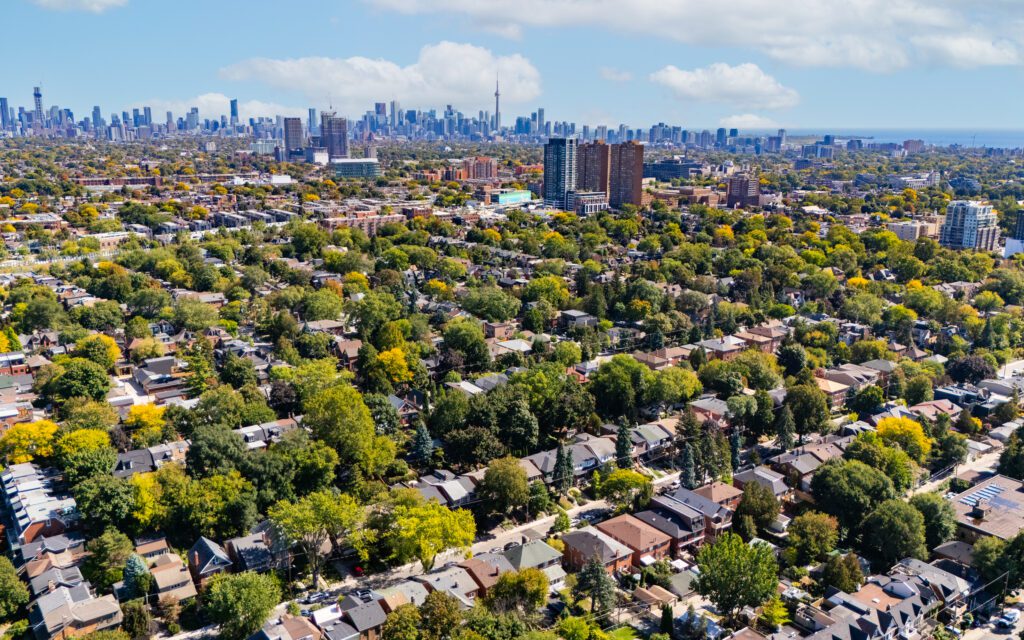
“Do we buy first or sell first?” comes up in west-end moves. Buying before you sell in the West Toronto market can work, but timing varies street by street and home by home. Below is a guide to risk, financing, and decision steps we use with Smith Proulx clients before you write offers.
Buy Before You Sell In West Toronto Market: When It Can Work
Buying first can make sense when your next home has strict requirements. If you need a specific school catchment, a short commute, or family support, selling first can leave you shopping with a deadline.
It can also suit downsizers who want to lock in the right condo or townhome. Under certain conditions in the West Toronto housing market, the best-fit properties appear in short bursts. Family semis and detached homes near transit can be limited.
Before you buy, first get a realistic sale range using recent comparable sales. Be honest about the condition and layout. An inflated estimate is how overlap trouble begins.
Buying Before Selling A House In Toronto: The Risks Most People Skip
The core risk is carrying two homes. If your purchase closes before your sale, you may pay two sets of costs: mortgage payments, property taxes, utilities, and insurance. In Toronto, overlap can strain cash flow.
The second risk is pressure on the sale. When people need proceeds fast, they may accept a weaker offer, rush prep, or agree to terms that don’t suit them.
Quick stress test: could you carry both homes for 60–90 days? If the answer is “no,” buying first is usually a poor fit.
Bridge Financing In Toronto: What It Is And When To Ask About It
Bridge financing in Toronto is a short-term loan that covers the gap when you’ve bought your next home, but your sale closes later.
Ask your lender early about eligibility, interest cost, and what approvals require. Many lenders prefer firm sales and firm purchases, so confirm how a conditional sale would change the plan. This is general information, not financial advice.
West Toronto Housing Market Conditions That Should Guide Your Decision
Match your strategy to your exact segment. Watch four indicators:
- How fast comparable homes are selling (days on market)
- How common offer nights are in your target pocket
- How many similar listings are available right now
- How often homes sell above the list in that category
Example: a buyer chasing a family semi near a subway line may face tighter supply than someone shopping for condos in South Etobicoke. Local conditions should drive the order.
Sell First Or Buy First? A Practical Decision Checklist
Use this checklist:
- Do you need a specific area for school or commute?
- Are your dates flexible, or is there a hard deadline?
- Can you handle overlap costs for a short period?
- Is your current home easy to sell?
- Do you have strong pre-approval and a deposit plan?
More “yes” answers on location needs and overlap capacity often point to buying before selling a house in Toronto. If the overlap capacity is thin, sell-first is calmer.
A Safer Buy-First Plan In West Toronto
If you lean buy-first, lower the risk:
- Confirm a realistic sale-price range
- Line up financing and your gap plan early
- Set a firm walk-away limit on price and terms
- Align closing dates when possible
- Keep a backup plan for storage or short-term housing
Next Steps: Make Your Move With A Clear Plan
Buying first can work in the west end, but only with clear numbers and local timing. If you’re considering a buy before you sell in the West Toronto market, stress-test the overlap and ask early questions about bridge financing in Toronto. Book a planning call with the Smith Proulx team to review your timeline and current conditions, so you can make a clear decision.
Sign Up For Our Newsletter
Looking for more great real estate content? Get it delivered to your inbox with our newsletter!
Read More Posts
6th Annual Valentine’s Day Draw: We Love Local Businesses
02/10/26
Valentine’s Day is often about big gestures, but at its core, it’s about appreciation. For us at Smith Proulx, that includes the neighbourhoods and local businesses that make West Toronto feel like home—from High Park and Bloor West Village to Roncesvalles, The Junction, Baby Point, The Kingsway, Long Branch, and beyond.
These are the places people rely on day to day, whether it’s picking up dinner, finding a gift, or supporting shops they’ve known for years. This Valentine’s Day draw is our way of giving back some local love.
This year marks our 6th Annual Valentine’s Day Draw, and once again, it’s centred on supporting the small businesses many of us rely on every day.
Instead of focusing on couples or dining plans, this giveaway celebrates community. It’s a simple way to share local love, say thank you to neighbourhood businesses, and give a few people the chance to enjoy something close to home.
Why We’re Celebrating Local This Valentine’s Day
West Toronto works because of its local businesses. Florists, cafés, specialty shops, and independent services shape the rhythm of daily life here. They’re the places you stop into on a walk, rely on for last-minute gifts, or return to year after year.
“We Love Local Businesses” has become a recurring Valentine’s tradition for us because it reflects how we work as a real estate team. Smith Proulx is rooted in West Toronto, and supporting the people who operate here matters. This giveaway is about keeping attention on the businesses that give neighbourhoods their character.
What the Valentine’s Day Giveaway Includes
This year’s draw features gift cards from a range of neighbourhood businesses, many of them long-standing favourites in their neighbourhoods. The prizes are offered as gift cards from the following West Toronto businesses:
Thorn Floral ($100 Gift Card)
Known for thoughtful floral design and seasonal arrangements, Thorn Floral is a go-to for everyday moments and special occasions alike.
The Alpine ($100 Gift Card)
The Alpine is a modern mountain lodge serving craft beer, cocktails, wine, and European tavern-inspired dishes in the heart of Toronto’s Junction.
The Shoppe ($100 Gift Card)
A women’s boutique focused on curated fashion pieces, The Shoppe is well known for personal service and carefully selected collections.
Capucci Salon ($100 Gift Card)
Capucci Salon has served West Toronto clients for years, offering hair services in a relaxed, professional setting.
Queen’s Pasta Café ($100 Gift Card)
A familiar name for fresh pasta and casual Italian dining, Queen’s Pasta Café is a neighbourhood favourite for both dine-in meals and take-home options.
Cheese Boutique ($100 Gift Card)
An iconic West Toronto destination, Cheese Boutique is known for specialty cheeses, prepared foods, and gourmet grocery finds.
Cookery ($50 Gift Card)
Cookery focuses on quality cookware and kitchen tools, making it a popular stop for home cooks and gift-givers.
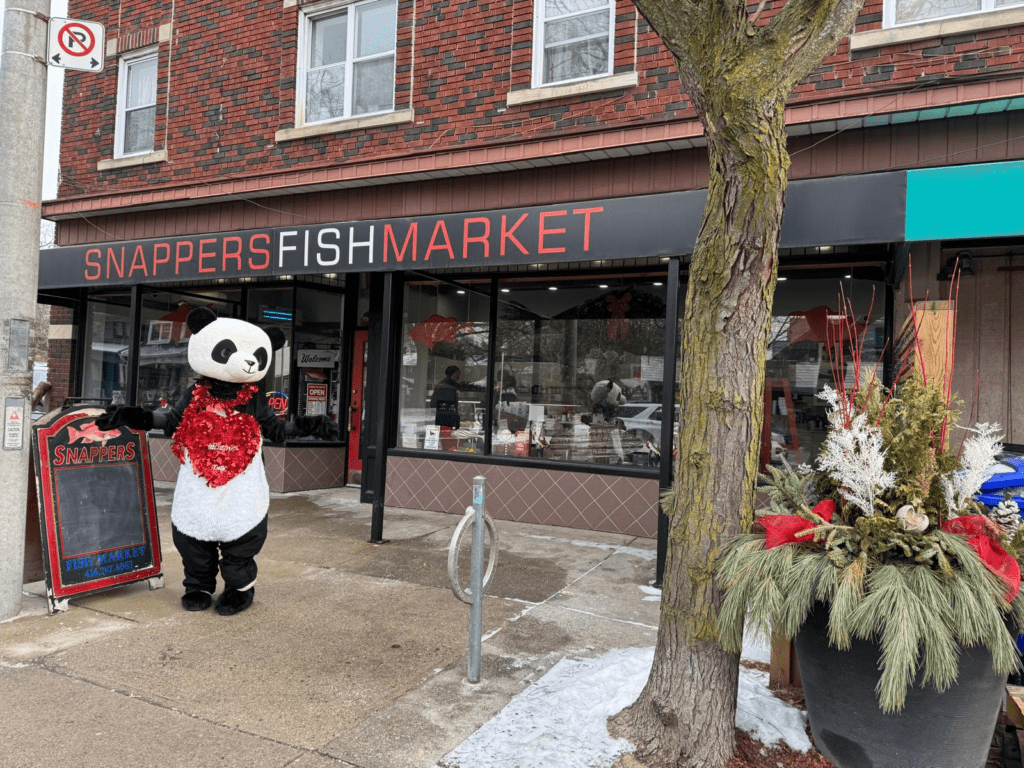
Snappers Fish Market ($50 Gift Card)
A trusted fish market offering fresh seafood and prepared items, Snappers is part of many locals’ weekly food routine.
Norm & Lenore Chocolate ($50 Gift Card)
Specializing in handcrafted chocolates, Norm & Lenore is often associated with gifting, celebrations, and small indulgences.
HER’s Fine Lingerie ($50 Gift Card)
A long-standing boutique offering lingerie and sleepwear, known for fit guidance and personalized service.
Cool Hand of a Girl ($50 Gift Card)
Lunch and Brunch restaurant, serving wholesome, fresh and local fare. They are offering their nutritious Menu to Go, including Fish Tacos, Breakfast Burrito, Breakfast Sandwich, Vegan Soups, Coleslaw, Avocado Parmesan Sandwich, Tarragon Chicken Sandwich, Braised Tofu Sandwich.
Lemon & Lavender ($50 Gift Card)
Lemon & Lavender is a boutique located in Toronto’s Bloor West Village, specializing in curated gifts, home decor, and accessories. Situated at 2314 Bloor Street West, this shop offers a unique, cozy, and personal shopping experience in the local community.
Gift card values include both $100 and $50 amounts. Winners will receive gift cards to these businesses, offering plenty of choice across food, retail, and personal services.
How to Enter
Entry is designed to stay simple and accessible. Participants can enter via:
- Submitting your full name, address, email and phone number by emailing info@smithproulx.ca
- Calling or texting 416-826-4787
- Entering online via the following QR code:

The entry deadline is Monday, February 9, at 8:00 PM, with the draw taking place on Tuesday, February 10.
Winners will be selected through a random draw, and updates will be shared on Smith Proulx’s Instagram.
A Small Way to Show Some Local Love
Supporting local doesn’t always require a big commitment. Sometimes it starts with paying attention to the businesses already part of your routine. Valentine’s Day offers a good reminder to do just that.
This draw is a small gesture, but it’s rooted in something larger: appreciation for the neighbourhoods where we live and work. Whether you enter or simply stop by one of these businesses, every bit of local support helps keep West Toronto thriving.
Stay Connected for Valentine’s Day Updates
If you’d like to take part, make sure to enter before the deadline and follow Smith Proulx on Instagram for winner announcements and updates. We’re looking forward to celebrating another Valentine’s Day by sharing some local love across West Toronto.
Sign Up For Our Newsletter
Looking for more great real estate content? Get it delivered to your inbox with our newsletter!
Read More Posts



Buying Your First Home in West Toronto? Here’s What Most People Get Wrong.
02/04/26

Buying your first home in West Toronto can feel straightforward until the details come into play. The west end is street-by-street and building-by-building, so planning matters.
Here are the most common first-time mistakes we see, and what to do instead.
Buying Your First Home In West Toronto Starts Earlier Than Your First Showing
The biggest early mistake is shopping before you know your numbers. Start with a lender conversation and a clear cash plan. In Toronto, waiting until you “find the one” to sort your budget can push you into rushed decisions. West-end inventory can be tight in certain pockets, so prepared buyers move quickly without feeling pressured.
If you know your Toronto mortgage range and your monthly ceiling, you’ll spot the right home faster and skip the ones that never fit.
Toronto Mortgage Basics Most First-Time Buyers Misunderstand
Pre-approval is a starting point, not a guarantee. It often comes with a rate hold, but final approval still depends on a full review of your documents and the property itself.
Appraisals can also matter. If a lender values the home below your purchase price, you may need extra cash to cover the difference. Debt ratios play a big role, too, as lenders compare your income to your monthly debt payments. Keep your finances steady while you shop. Avoid taking on new debt or making large purchases until after closing to keep your Toronto mortgage approval on track.
Toronto Land Transfer Tax Surprises And How Rebates Work
Toronto land transfer tax surprises many first-time buyers because it can include two layers: the Ontario land transfer tax and the City of Toronto’s Municipal Land Transfer Tax.
First-time buyer rebates may apply, but the rules and maximum amounts matter. Ontario’s first-time homebuyer refund can be up to $4,000, and the City offers a rebate for the municipal tax as well.
Our rule is simple: calculate this early and treat it as part of your purchase budget, not an afterthought.
Closing Costs When Buying A House In Toronto Add Up
Down payment is only part of the cash required. Closing costs when buying a house in Toronto commonly include legal fees and disbursements, title insurance, and adjustments for property taxes and utilities. If you buy a condo, there are often condo adjustments, too. Then add moving costs, which rise quickly if you need storage or overlap time between homes.
Plan a separate closing-cost buffer so you aren’t draining savings right before you get the keys.
Condo Fees Change Affordability
Condo fees are part of your monthly cost, and lenders factor them into what you can afford. Fees usually cover common-area upkeep and building expenses, and sometimes include certain utilities (it depends on the building). Don’t judge a condo by fee size alone. The reserve fund, upcoming repairs, and the building’s track record matter just as much.
If you’re buying resale, a status certificate review is essential. In Ontario, the corporation must provide a status certificate within 10 days, and the fee is capped at $100. A lawyer review helps you understand finances, rules, and any red flags before you firm up your offer.
West Toronto Home Inspection Mistakes That Cost Buyers Later
A West Toronto home inspection is about clarity. Many west-end homes are older, so it’s smart to understand what you’re buying.
Common concerns can include aging roofs, moisture in basements, drainage issues, or older electrical systems. The mistake is leaving inspections to the last minute. If the market is competitive, you need an inspection plan that can happen quickly, so you can move forward with confidence instead of guessing.
A Neighbourhood Checklist That Saves Regret
Many first-time buyers pick an area based on one highlight, then feel stuck with day-to-day tradeoffs they didn’t test. Before you commit, do quick reality checks:
- Try the commute at the time you’ll actually travel
- Walk to groceries, pharmacy, coffee, and parks
- Check noise on a weeknight
- Look at street parking in the evening
High Park, The Junction, Bloor West Village, and South Etobicoke each have their own rhythms. Ten minutes on foot can tell you what photos won’t.
Next Steps: Get A Clear Plan Before You Write Your First Offer
Most first-time mistakes are preventable with good numbers and a simple plan. If you’re buying your first home in West Toronto, book a buyer consultation with the Smith Proulx team to sort your budget, target areas, and next steps.
Sign Up For Our Newsletter
Looking for more great real estate content? Get it delivered to your inbox with our newsletter!
Read More Posts
Basement Suite or Garden Suite? How West-End Homeowners Are Creating More Living Space
01/28/26

West-end homeowners add space for real-life reasons: a parent moving in, a new baby, working from home, or the option of rental income. A basement suite in West Toronto is often the first idea, because the footprint is already there. But a garden suite in West Toronto is getting more attention for people who want true separation. This guide compares both options in plain language, with reference to west-end realities. Rules vary by property, so treat this as an overview, not legal advice.
Basement Suite In West Toronto: Why It’s The Most Common First Step
Basement suites are popular because you’re building inside an existing structure. That can mean fewer exterior changes, a simpler timeline, and a budget that’s easier to control. Many West Toronto homes already have a side entrance, a lower-level bathroom, or a layout that can be adapted without rebuilding the entire floor.
Common uses include an in-law suite, space for an adult child, or a long-term rental unit. The key is feasibility. Before finishing, check the basics: ceiling height, legal egress for bedrooms, moisture history, and sound transfer between floors. If the basement is damp, dark, or low, you’ll spend more time fixing fundamentals than you planned.
Garden Suite In West Toronto: When A Backyard Unit Makes More Sense
A garden suite is a small detached unit in your backyard. For some households, it solves problems a basement can’t. If you want privacy for a tenant, separation for multigenerational living, or a quiet work studio that feels separate from the main house, a backyard unit can be a better fit.
In West Toronto, feasibility often comes down to lot size, access, and the yard’s current condition. Lane access can help with construction and future use. Mature trees and grading can add constraints. You also need to think about servicing (water, power, drainage), privacy lines to neighbours, and what you’re giving up in outdoor space. A garden suite in West Toronto can feel like a second home, but it changes how you use your property.
Basement Vs Garden Suite: A Quick Comparison For West-End Homes
Here’s the fast comparison most owners need:
- Privacy:Garden suite usually wins.
- Cost and Build Time:Basements are often simpler, but not always cheaper if major waterproofing is needed.
- Natural Light:A garden suite typically offers better light.
- Disruption:Basement work can be loud and invasive inside; garden suite construction affects the yard.
- Resale Appeal:Both can add value if done legally and thoughtfully. Buyer preference depends on the street, the home type, and the quality of the build.
Neither is “best.” Your goals decide.
What To Check Before You Build In West Toronto
Start with due diligence, not design boards.
- Confirm zoning, permitted use, and requirements with the City or a qualified professional.
- Talk to an architect/designer or builder early to confirm feasibility.
- Plan for permits and inspections.
- Check utility capacity, drainage, and any history of water issues.
- Think about neighbour impacts: privacy, construction noise, and sightlines.
If the fundamentals don’t work, no finish package will save the project.
How These Projects Affect Resale Value And Buyer Appeal
Buyers pay for flexibility in West Toronto, but only when it’s done properly. What tends to help: legal compliance, good layout, proper sound control, and a separate entrance where it makes sense. What can hurt: obvious shortcuts, musty basements, a backyard unit that kills privacy, or an outdoor space that feels cramped.
The resale “win” is when the extra space feels usable for real life, i.e., aging parents, home office, or income potential, without making the main house feel compromised.
Next Steps: Choose The Option That Matches Your Life
Both options can add real living space, but the right choice depends on your lot, your budget, and how much separation you need. Start with feasibility checks, then pick the option that supports your household now and keeps future buyers interested.
If you’re weighing a basement suite or a garden suite in West Toronto, book a homeowner planning call with the Smith Proulx team. We’ll talk through buyer appeal, neighbourhood context, and how these choices can affect future resale without pressure.
Sign Up For Our Newsletter
Looking for more great real estate content? Get it delivered to your inbox with our newsletter!
Read More Posts
What Most West Toronto Homeowners Get Wrong About Renovating Before Selling in West Toronto
01/28/26
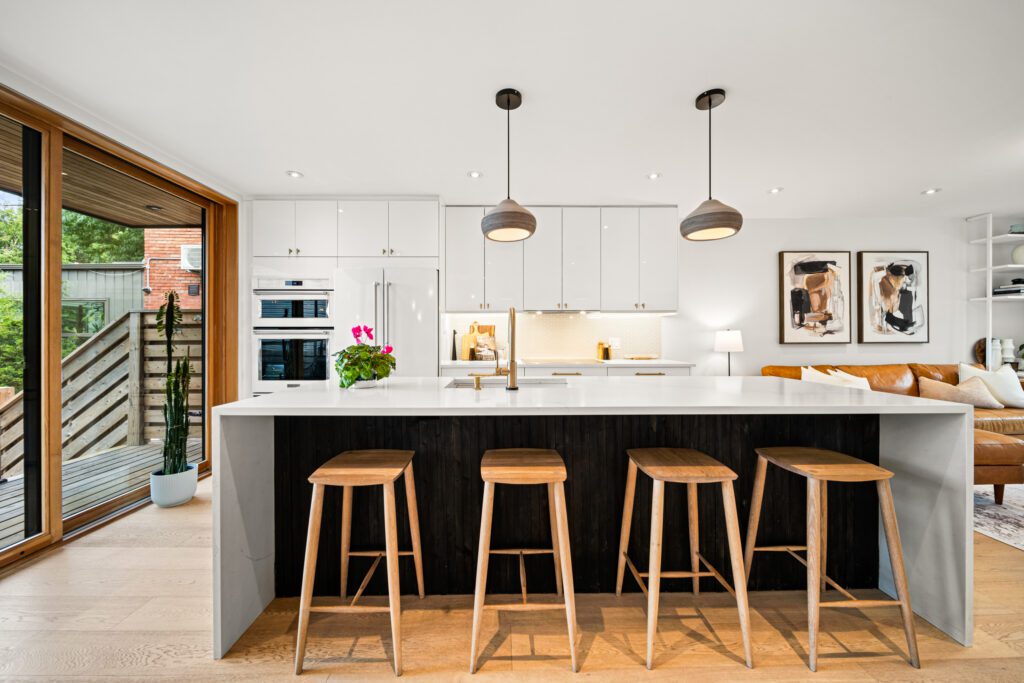
Every year, West Toronto homeowners reach the same fork in the road. The decision often feels responsible, even logical. Fix it up first, then sell. A new kitchen. A refreshed bathroom. Maybe new floors to be safe. The belief is simple. Renovations equal higher offers.
Yet when sellers look back months later, many realize the math never worked. The stress was higher. The timeline stretched. The return was smaller than expected. Some even walk away wondering why West Toronto buyers seemed unimpressed by work that cost tens of thousands of dollars.
The truth is uncomfortable. Renovating before selling in West Toronto is rarely about doing more. It is about doing the right amount, in the right places, for the right reasons. West Toronto buyers see homes through a particular lens. That lens is shaped by location, price point, and expectations formed long before they step inside.
This article breaks down what actually moves the needle, what quietly works against sellers, and why restraint often leads to better outcomes than ambition.
Renovating for Yourself and Renovating for Buyers Are Not the Same Thing
Many sellers renovate as if they are staying. They choose finishes they love. They fix annoyances they lived with for years. Emotion drives decisions. That instinct makes sense for daily life, but it creates friction during resale.
Buyers are not evaluating how a home feels to live in. They are assessing value, flexibility, and future cost. A seller might see a custom kitchen as a selling point. A buyer might see it as something they would change anyway.
This disconnect sits at the core of most renovation mistakes. Renovating before selling in West Toronto requires stepping away from personal taste and focusing on broad appeal. Homes that leave room for interpretation tend to attract more interest than homes that feel finished according to someone else’s preferences.
The Renovations Sellers Expect to Pay Off, But Often Do Not
Large remodels carry emotional weight. Kitchens and bathrooms feel central to a home, so sellers assume they must be redone. In West Toronto, that assumption often backfires.
Full kitchen renovations rarely return their full cost before sale. West Toronto buyers factor in age and layout more than cabinet style. If the kitchen functions well and feels clean, many buyers mentally plan their own updates later. Paying for high-end finishes simply raises the bar for scrutiny.
The same applies to bathrooms. New tile and fixtures may look fresh, but buyers still focus on plumbing condition, ventilation, and layout. A brand-new bathroom in a home with dated electrical or an older roof does not reassure buyers. It raises questions about what was not addressed.
In many west-end homes, buyers expect to renovate after purchase. Over-finishing can make them feel they are paying for choices they did not make.
Why Over-Improving Can Actually Hurt Your Sales
Over-improvement occurs when renovation spending pushes a home beyond what the neighbourhood can support. This mistake is common in West Toronto, where price ceilings vary block by block.
A home that becomes the most upgraded on the street often struggles to recoup costs. Buyers compare properties within a narrow radius. If nearby homes sell for less with fewer upgrades, your renovations become a pricing problem, not a benefit.
This is where renovating before selling in West Toronto becomes risky. Sellers sometimes assume that higher-quality work automatically attracts higher offers. In reality, buyers anchor value to location and recent comparable sales. Renovations that exceed neighbourhood norms rarely change that anchor.
Instead of creating competition, over-improvement can limit the buyer pool. Only a small group is willing to pay a premium for someone else’s renovation choices.
The Quiet Power of Cosmetic Changes
Cosmetic improvements often outperform structural work when selling. They are subtle, but buyers respond to them immediately.
Fresh paint in neutral tones resets a space. Clean floors reduce visual noise. Updated light fixtures modernize rooms without forcing opinions. These changes improve first impressions without rewriting the home’s story.
Buyers make early judgments within minutes. Cosmetic updates support confidence. They signal care without dictating style. This balance matters when renovating before selling in West Toronto, especially in older homes where charm and age coexist.
Small updates also protect flexibility. Buyers can imagine their own plans without feeling boxed in by expensive finishes.
How West Toronto Neighbourhoods Shape Renovation Returns
West Toronto is not a single market. Expectations differ sharply between West Toronto Neighbourhoods like Bloor West Village, The Junction, Swansea, and parts of South Etobicoke.
In family-oriented pockets, buyers focus on layout, light, and condition. In walkable areas with older housing stock, buyers accept dated interiors if the structure feels solid. In condo-heavy zones, buyers scrutinize finishes more closely but still resist paying for luxury they did not choose.
Understanding these nuances changes renovation decisions. Renovating before selling in West Toronto without neighbourhood context often leads to misplaced spending. The same upgrade can feel essential on one street and unnecessary two blocks away.
Buyers are not uniform. Renovation choices should reflect where the home sits, not a generic resale checklist.
Personal Taste Is a Hidden Risk During Resale
Bold choices feel satisfying during renovations. Statement tiles. Dark feature walls. Trend-driven finishes. While these may look current, they have a narrow appeal.
Buyers respond best to homes that feel adaptable. Strong design opinions create hesitation. Even buyers who like a style may later wonder about its resale value.
This is where many sellers lose ground. Renovating before selling in West Toronto should aim to remove objections rather than introduce new ones. A neutral baseline invites more buyers to lean in rather than pull back.
The goal is not to impress. It is to reassure.
The Difference Between Repair and Renovation
Repairs and renovations are often treated as the same thing. They are not.
Repairs address trust. Renovations address preference. Buyers forgive cosmetic age. They hesitate when systems feel uncertain.
Fixing leaky faucets, repairing damaged drywall, addressing worn flooring, and servicing mechanical systems all build confidence. These steps rarely photograph well, but they quietly influence offers.
Skipping repairs to fund visible upgrades is a common misstep. Renovating before selling in West Toronto is most effective when fundamental condition issues are addressed first. Buyers relax when a home feels cared for, even if it is not updated.
Timing Matters More Than Most Sellers Expect
Renovations take time. Permits delay progress. Contractors juggle schedules. What starts as a six-week plan often stretches into months.
During that time, market conditions can shift. Buyer demand changes. Seasonal windows close. Carrying costs add up.
Some sellers finish renovations only to realize they missed the strongest selling period. Others rush to list once work ends, feeling exhausted and eager to move on.
A smarter approach considers timing alongside scope. Doing less often allows sellers to list sooner, capturing buyer attention when it matters most.
Buyers Are Not Paying for Your Stress
Renovations come with disruption. Noise, dust, decision fatigue. Sellers absorb that burden, but buyers do not factor it into the price.
A seller may feel a new kitchen deserves a premium because it was hard to complete. Buyers see only the result, not the effort. If the upgrade does not align with their priorities, the work becomes irrelevant.
This mismatch creates frustration. Renovating before selling in West Toronto should never be driven by how difficult the process feels. Buyers value outcomes, not experiences.
Preparing a Home for Sale Is About Framing, Not Finishing
The strongest resale homes feel open to possibility. They present well without feeling locked into a specific vision.
Preparing a house for sale focuses on clarity. Clear spaces. Clear layouts. Clear maintenance history. Renovation focuses on transformation. Transformation is rarely necessary to attract offers.
Buyers want to feel comfortable making changes over time. Homes that already feel “done” can limit that sense of control.
This distinction matters deeply in west-end markets, where buyers often plan gradual updates after purchase.
When Doing Less Leads to Better Results
Many successful sales share a common thread. The sellers resisted the urge to overhaul. They cleaned, repaired, refreshed, and stopped.
Those homes often attract broader interest. More showings. More engaged buyers. Fewer objections during negotiations.
Renovating before selling in West Toronto becomes effective when sellers view it as editing, not rewriting. Removing friction beats adding features.
Spending less money does not mean creating less value. It often means the opposite.
Seeing Renovations Through a Buyer’s Eyes
The hardest shift for sellers is perspective. Letting go of personal attachment and viewing the home as a product, not a project.
Buyers do not fall in love with effort. They respond to comfort, flexibility, and price alignment. Homes that meet these criteria consistently perform better, regardless of renovation spend.
Understanding this changes everything. Renovation decisions become calmer. Budgets tighten. Outcomes improve.
Final Thoughts: Smarter Choices Lead to Stronger Offers
Most sellers do not lose money because they did nothing. They lose money because they did too much. Renovating before selling in West Toronto works best when decisions are grounded in how buyers actually think, not how sellers feel after living in a home for years. Clear priorities, limited scope, and restraint tend to create stronger results than large-scale change.
If you are weighing renovation decisions and want a grounded view of what matters in your specific neighbourhood, a short conversation can bring clarity. A focused consultation with the Smith Proulx team can help you sort through options, avoid unnecessary spending, and prepare your home to attract strong buyer interest without added stress.
Sign Up For Our Newsletter
Looking for more great real estate content? Get it delivered to your inbox with our newsletter!
Read More Posts
Downsizing in West Toronto: A Complete Roadmap for a Stress-Free Transition
01/21/26

A downsizing home decision carries more weight in Toronto than it once did. Rising property values, changing household needs, and the cost of long-term upkeep have pushed many homeowners to rethink how much space they truly need. In West Toronto, this shift is especially noticeable among long-term owners who have lived in the same home for decades.
Downsizing has become common among empty nesters, retirees, and families simplifying their daily lives. The choice often comes with financial benefits, but it also brings practical and emotional adjustments. Selling a familiar home, sorting belongings, and choosing the next place requires clear planning.
This article serves as a step-by-step downsizing guide grounded in Toronto realities, with local insight for West Toronto homeowners. It outlines what downsizing involves today, how to decide on timing, and which housing options align with different lifestyles.
What Does Downsizing Mean in Toronto Today?
Homeowners often ask, what does downsizing mean in today’s Toronto market. Downsizing is no longer only about moving into a smaller home. For many, it means shifting into a property that better fits current routines, health needs, and long-term plans.
In Toronto, downsizing often involves moving from a detached house to a condo, townhome, or a smaller freehold property. Maintenance, accessibility, and proximity to services usually outweigh square footage. According to housing research published by the Canada Mortgage and Housing Corporation (CMHC), many older homeowners now prioritize ease of living and predictable housing costs over home size, hence the need for senior downsizing.
Toronto downsizing also differs from suburban or rural transitions. Limited housing supply, higher prices, and dense neighbourhoods require careful evaluation of layout and location. In West Toronto, older homes and established streets add another layer, as renovation limits and lot sizes affect how downsizers adapt to new spaces.
Is It the Right Time to Start Downsizing Your Home?
The right time to start downsizing your home often becomes clear through daily experience. Maintenance may feel overwhelming. Spare bedrooms may sit unused. Stairs may raise future concerns. These signs tend to appear before financial pressure does.
Financial readiness plays a significant role. Downsizing can release long-held equity and reduce ongoing costs such as utilities, insurance, and repairs. In established Toronto neighbourhoods, many long-time homeowners have benefited from years of price growth, which can provide greater flexibility when planning the next stage of housing.
Emotional readiness matters just as much. Letting go of a long-held home involves adjustment, especially in communities with strong ties. Timing also matters locally. In West Toronto, inventory levels and buyer demand affect how easily a home sells and how competitive replacement options become. Starting the planning process early gives homeowners more choice and control.
Downsizing Home Options in West Toronto
Condos and Low-Maintenance Living
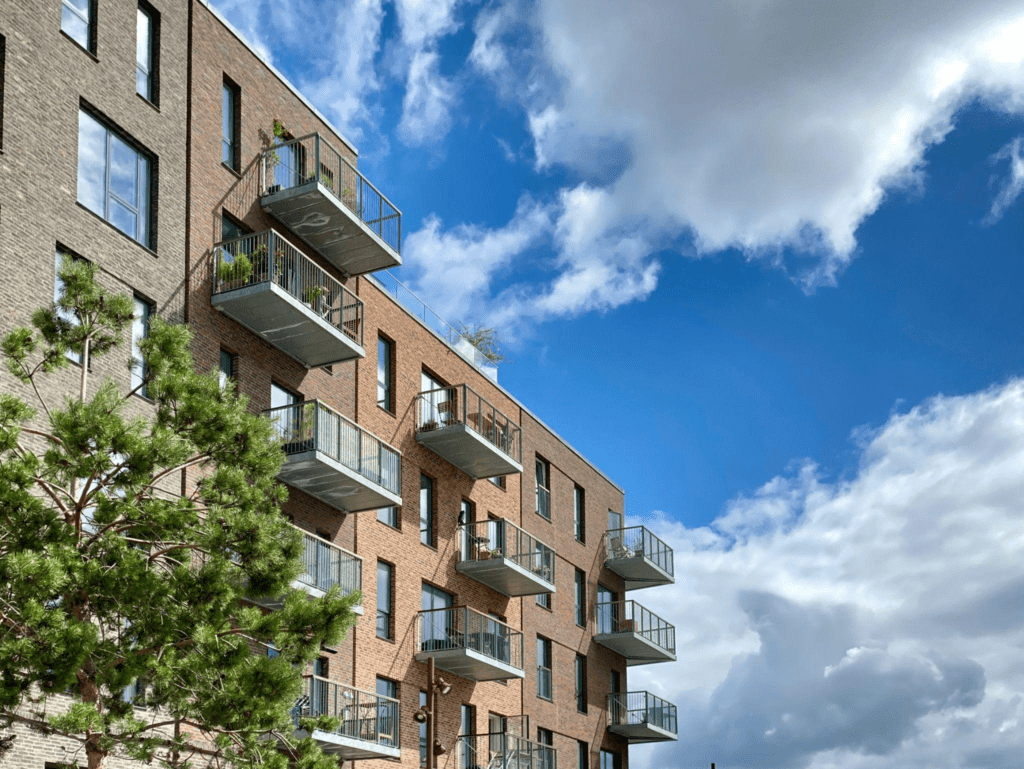
Condos remain a popular downsizing choice in West Toronto due to predictable upkeep and reduced responsibility. The building handles exterior maintenance, snow removal, and common repairs. Condo fees vary widely, so reviewing budgets, reserve funds, and recent building updates is essential.
Areas near Bloor West Village, High Park North, and South Etobicoke offer a mix of older and newer condo buildings. Buyers should carefully assess noise levels, elevator access, and floor plans. Condo living suits homeowners who value walkability and transit access over private outdoor space.
Smaller Freehold Homes and Townhomes
Some downsizers prefer to keep a yard or private entrance. Smaller detached homes and townhouses provide that option while reducing interior space. Maintenance remains part of ownership, but at a lower scale.
This option works well for homeowners who want independence without managing a large property. In West Toronto, smaller freehold homes often attract strong interest due to limited supply, which can affect both pricing and timing.
Staying Local vs Moving Further West
Many homeowners choose to remain close to familiar neighbourhoods. Proximity to healthcare providers, transit routes, and social connections often guides this decision. Staying local can reduce disruption and support daily routines.
Others move further west for newer housing stock or quieter surroundings. Transit access, distance from family, and access to services should guide this choice. Each option involves trade-offs that deserve careful thought.
How Home Downsizing in Toronto Affects Your Finances
Home downsizing in Toronto often starts with equity, but the full financial picture deserves careful review. Many West Toronto homeowners purchased years ago, which means selling a detached or semi-detached home can free substantial capital. That equity may reduce mortgage exposure, fund retirement plans, or cover future care needs.
At the same time, downsizing does not eliminate costs. The Toronto land transfer tax applies to most purchases, including smaller homes and condos. Legal fees, moving expenses, and adjustments can add up quickly. Condo buyers replace repair costs with monthly fees, while smaller freehold homes still require ongoing upkeep, just at a different scale.
Predictability matters most to downsizers, especially those planning for fixed or semi-fixed incomes. Instead of focusing only on the purchase price, review long-term costs to avoid pressure later. A clear budget allows downsizing to feel like relief, not a new source of stress.
A Practical Downsizing Home Checklist Before You Sell
Downsizing works best when broken into clear steps. The checklist below reflects what West Toronto homeowners most often encounter during this transition.
| Step | How to Review These Steps | Importance of Reviewing These Steps |
| Timing | Set a realistic schedule for sorting, selling, and buying | Downsizing often takes longer than expected, especially after decades in one home |
| Possessions | Decide what moves, what is gifted, sold, or donated | Smaller homes require honest space planning |
| Storage | Assess short-term storage needs | Overlapping sale and purchase dates are common in Toronto |
| Home Preparation | Address repairs, cleaning, and presentation | West Toronto buyers respond strongly to well-prepared homes |
| Sale Strategy | Review pricing based on recent local sales | Accurate pricing reduces time on market |
| Temporary Housing | Plan for rentals or family stays if needed | Flexibility reduces pressure during negotiations |
| Professional Support | Work with advisors familiar with downsizing | Experience helps avoid missed details |
This checklist helps turn a major life change into a controlled, manageable process.
Selling First or Buying First: What Works Best When Downsizing?
Selling first offers clarity. Knowing the sale price of your current home enables confident budgeting for the purchase. This approach lowers financial exposure, though it may require short-term housing if the next home is not secured quickly.
Buying first secures your next home but carries risk if the current property takes longer to sell. Bridge financing may be required, and lender terms should be reviewed carefully.
In West Toronto, limited inventory can influence this decision. For example, smaller freehold homes in areas like Bloor West Village or Swansea often attract quick interest, while condos may offer more choice. Planning both scenarios in advance creates flexibility and reduces pressure.
Common Downsizing Mistakes Toronto Homeowners Regret
One of the most common regrets is underestimating the emotional impact of leaving a long-held home. Giving yourself time helps reduce rushed decisions.
Another issue is choosing a new home solely based on price. In West Toronto, walkability, transit access, and proximity to healthcare often matter more than extra square footage.
Future accessibility is also overlooked. Narrow staircases, second-floor bedrooms, and tight bathrooms can limit comfort over time.
Many regrets stem from rushing without guidance. Local experience helps identify concerns early and keeps decisions grounded.
Why Downsizing Is Different in West Toronto
Downsizing in West Toronto comes with specific considerations. Much of the housing stock dates back several decades, which affects layouts and renovation options. For example, moving from a detached home in Baby Point into a smaller freehold property may still involve stairs and limited main-floor living.
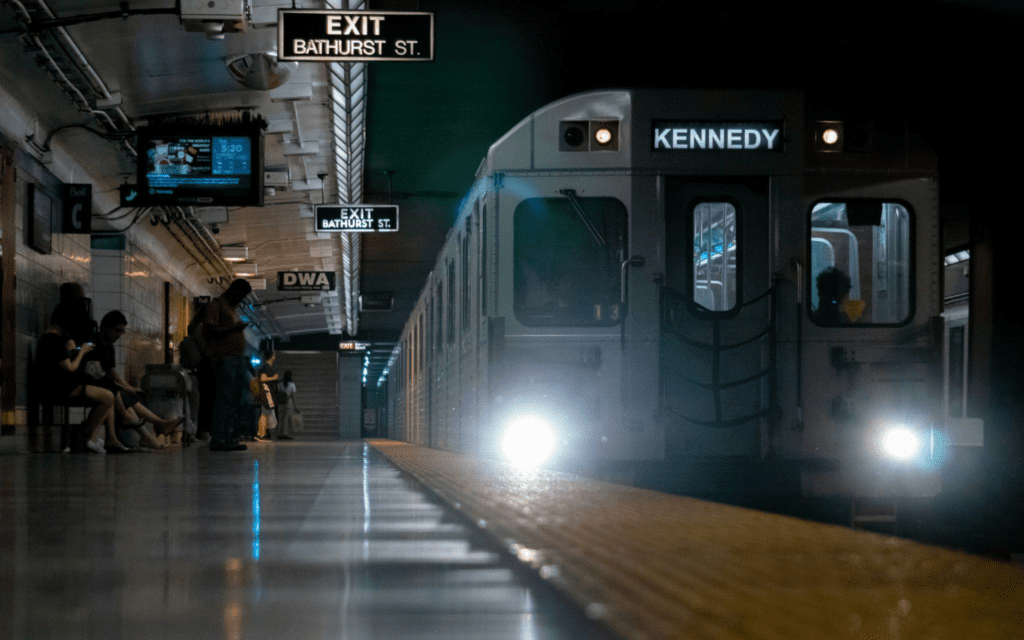
School zones continue to influence resale value, even for downsizers. Transit access also carries more weight here than in car-dependent areas. Proximity to the Bloor subway line or streetcar routes often shapes daily routines.
Community ties are strong. Many homeowners prefer to remain near familiar shops, parks, and neighbours. These connections influence housing choices as much as financial factors and deserve careful thought during the process.
Planning Your Next Chapter With Confidence
Downsizing is not a single decision. It unfolds through planning, reflection, and adjustment. Clear timelines, realistic budgets, and steady support help reduce stress and create better outcomes.
For West Toronto homeowners, a thoughtful approach to downsizing supports comfort, flexibility, and peace of mind. With the right preparation, the transition becomes manageable and purposeful.
Thinking about downsizing in West Toronto?
A focused conversation can help you plan the next stage with clarity. Get a home evaluation or book a downsizing consultation with the Smith Proulx team to review options, timing, and local opportunities.
Sign Up For Our Newsletter
Looking for more great real estate content? Get it delivered to your inbox with our newsletter!
Read More Posts
Toronto’s Mortgage Rate Rollercoaster: What it Really Means for Your Buying Power
01/14/26
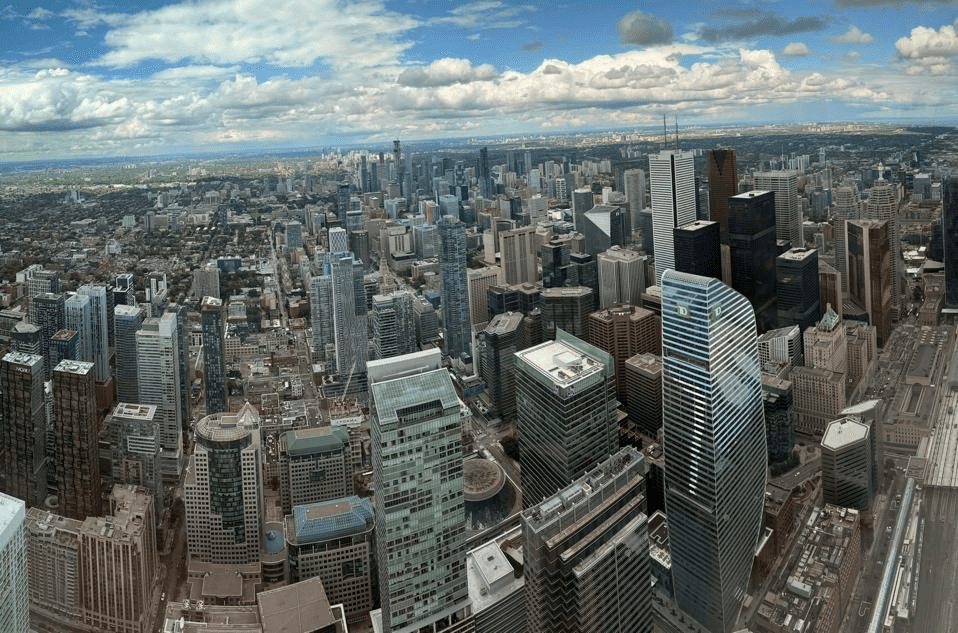
Mortgage rate news tends to arrive with urgency, but most of its real impact happens later. Buyers feel it when they rerun the numbers and notice how much has changed since last month. Toronto mortgage rates influence decisions in subtle ways that do not always show up in public conversations. What matters is not the headline rate itself, but how it alters everyday math and personal comfort.
Buying power often shifts before people realize it has. That delay creates confusion and stress, especially for buyers who thought they had a clear plan.
How Buying Power Actually Gets Reduced
When rates rise, borrowing costs increase immediately. Even a slight adjustment can cut approved amounts by tens of thousands of dollars. That reduction does not feel theoretical when buyers start removing homes from their saved lists.
This is where buying power becomes real. A buyer may still qualify, but only for homes that no longer match their needs. The change often feels sudden, even though it came from a modest rate move.
Monthly Payments Tell a Different Story Than Prices
Home prices often get the attention, but monthly payments shape daily life. Higher Toronto mortgage rates mean more of each payment goes toward interest instead of reducing the balance. That shift can stretch household budgets faster than expected.
Even when prices pause or dip, payments may stay high. Buyers sense this tension and wonder why affordability feels unchanged. The answer usually sits inside the loan structure rather than the sale price.
The Stress Test Changes The Conversation
Canada’s lending rules require buyers to qualify at a higher rate than what they actually receive. When interest rates increase, the qualifying rate moves up as well. This can block approval even when the payment itself seems manageable.
Many buyers first encounter this problem after updating their pre-approval. Their income is steady, and their savings look fine, yet the approved amount keeps dropping. The stress test often explains that gap.
Down Payments and Amortization Matter More Than People Think
Rates get blamed for everything, but they act alongside other factors. A larger down payment reduces borrowing needs and interest exposure. A longer amortization lowers payments but increases total interest paid.
These choices change how Toronto mortgage rates affect each buyer. Two people facing the same rate may experience very different outcomes. Understanding those differences brings clarity and control.
Why Rate Swings Affect Competition
When rates rise, some buyers step back. Fewer active buyers can soften competition, even if prices stay firm. That shift can open space for negotiation and longer decision windows.
When rates drop, activity often returns quickly. Demand tends to move faster than prices. Buyers who understand this pattern can act with patience rather than react to noise.
Why Affordability Still Feels Tight
Many buyers expect relief when prices stabilize. That relief does not always arrive because affordability depends on the total borrowing cost. Interest expense over time plays a large role in how ownership feels month after month.
Higher Toronto mortgage rates can keep pressure on buyers long after price growth slows. This disconnect fuels frustration and second-guessing. Clear expectations help reduce that strain.
Making Sense of a Shifting Rate Environment
Rate changes do not signal a single right moment to buy. They change how preparation matters. Buyers who focus on payment comfort, approval limits, and long-term costs gain perspective.
Understanding how Toronto mortgage rates interact with personal finances allows for better timing decisions. It replaces fear with informed patience. That clarity often leads to better outcomes.
A Steadier Way Forward
Rate volatility will continue. Buyers who focus only on headlines risk missing the bigger picture. Those who understand structure, qualification rules, and long-term costs stay grounded.
If you want to talk through how current Toronto mortgage rates affect your own buying power, the Smith Proulx Real Estate Team is available for a clear, practical conversation.
Sign Up For Our Newsletter
Looking for more great real estate content? Get it delivered to your inbox with our newsletter!
Read More Posts
The Definitive Guide to Buying a Home in West Toronto in 2026: Neighbourhoods, Prices, Must-Haves & Market Trends
01/07/26

Buying a home in West Toronto requires careful planning and reliable information. This area continues to attract families, professionals, and long-term buyers due to its established neighbourhoods, strong transit access, and consistent demand.
At the same time, prices remain high, competition differs by location, and buyer expectations continue to shift.
This guide explains what buyers need to know before purchasing West Toronto homes. It focuses on neighbourhood differences, price drivers, and market trends that shape decisions today.
Rather than relying on short-term forecasts, this article looks at key structural elements that influence housing outcomes across West Toronto.
Understanding the West Toronto Housing Market
West Toronto does not function as a single housing market. Each neighbourhood responds differently to interest rates, inventory levels, and buyer demand. Some pockets remain competitive, while others allow for longer decision-making timelines.
Research from the Canada Mortgage and Housing Corporation shows that large urban markets often experience uneven adjustments, even within the same city. Supply limitations, zoning controls, and infrastructure maturity play a major role in stabilising prices over time.
West Toronto benefits from long-established infrastructure and limited land availability. These factors restrict rapid overdevelopment, which helps maintain long-term property values.
Buyers should expect fewer sudden price swings compared to newer suburban areas, but also fewer opportunities for steep discounts.
Why Buyers Continue to Choose West Toronto Homes
Several long-term factors support ongoing demand for West Toronto homes.
Location remains a primary driver. Many west-end neighbourhoods offer direct TTC subway and streetcar access along corridors such as Bloor Street and Dundas Street. The City of Toronto’s transportation planning studies confirm that proximity to rapid transit consistently increases residential demand and housing resilience during market slowdowns.
Furthermore, school access also shapes buyer decisions. Families often prioritise neighbourhoods with stable school catchments. Familial preference shows that perceived school quality influences housing prices and buyer competition, even when differences in measured outcomes are small.
Lifestyle preferences further support demand. Buyers increasingly value walkability, local services, and access to green space. West Toronto offers proximity to High Park, waterfront trails, and neighbourhood retail streets, all of which support daily convenience and long-term livability.
Key Neighbourhoods Buyers Should Understand
West Toronto includes a wide range of neighbourhoods, each with distinct pricing patterns and housing characteristics. Buyers who understand these differences make more confident and informed choices.
High Park and Bloor West Village
This area features a mix of detached homes, semi-detached houses, and low-rise condominiums. Buyers value subway access and proximity to High Park. Family demand remains strong due to school access and long-term neighbourhood stability.
Well-maintained homes here often sell close to market value, reflecting steady buyer confidence.
The Junction and Roncesvalles
The Junction and Roncesvalles attract buyers seeking character homes and walkable streets. Many properties are older and require updates. According to Ontario housing guidance, older housing stock often involves higher maintenance and renovation costs, which buyers should factor into pricing decisions
Swansea, Baby Point, and Old Mill
These neighbourhoods offer larger lots, mature trees, and quieter streets. Turnover remains low, which contributes to price stability. Buyers should review heritage guidelines and zoning rules early, as these may affect renovation plans and timelines.
South Etobicoke and Waterfront Areas
South Etobicoke offers a mix of freehold homes and condominiums. Access to TTC routes, GO Transit, and major highways supports commuting flexibility. Condo buyers should carefully review reserve fund studies and status certificates, as advised by the Condominium Authority of Ontario.
Pricing Factors That Shape West Toronto Homes
Pricing across West Toronto homes depends on more than size alone. Buyers should understand what drives value.
Property condition plays a critical role. Functional improvements, such as updated heating systems, sound structure, and modern insulation, influence buyer confidence more than decorative upgrades. According to the Journal of Housing Economics, buyers place greater value on functional reliability than cosmetic features.
Lot size, school catchment areas, and street appeal also affect pricing outcomes. Even small differences in frontage or parking availability can create meaningful price variation between similar homes.
Buyers should also plan for costs beyond the purchase price. Land transfer tax, legal fees, inspections, and future maintenance add to total ownership expenses. The Financial Consumer Agency of Canada recommends accounting for these costs early to reduce financial strain.
Buyer Trends Shaping the Market
Buyer priorities continue to evolve. Many buyers now focus on layout flexibility rather than overall square footage. Home office space, storage, and energy efficiency carry increasing weight in decision-making.
Energy performance has become more important. Government research shows that buyers are paying closer attention to insulation quality, heating efficiency, and long-term utility costs.
Buyers also approach purchases with greater caution. Longer decision timelines and detailed due diligence reflect a shift away from rushed buying behaviour. This trend benefits buyers who prepare early and study neighbourhood-level sales data.
How to Buy a Home in Toronto With Fewer Surprises
Preparation remains the strongest advantage when buying West Toronto homes. Mortgage pre-approval sets clear financial limits and strengthens negotiating positions. Neighbourhood research should include multiple visits at different times of day to assess traffic, noise, and daily convenience.
Buyers benefit from focusing on structure, layout, and long-term suitability rather than staging alone. Common mistakes include skipping inspections and underestimating ownership costs.
For those buying their first home in Toronto, the process rewards patience and planning. Clear guidance and local expertise help reduce uncertainty at every step.
What to Know Before Making an Offer in West Toronto
Making an offer on West Toronto homes requires local awareness and careful timing. Conditions vary widely by neighbourhood, property type, and pricing strategy. Some homes attract immediate interest, while others remain available long enough to allow structured negotiation.
According to the Toronto Regional Real Estate Board, properties priced close to recent comparable sales tend to sell more efficiently than those listed aggressively above market value. Buyers who rely on local sales data rather than asking prices make more controlled decisions
Buyers should evaluate how long similar homes have stayed on the market in the same area. Days on market often indicate whether sellers expect firm offers or remain open to discussion. This step reduces the risk of overpaying or missing reasonable opportunities.
Conditions, Inspections, and Risk Management
Conditions remain an important tool for managing risk. Financing and home inspection conditions protect buyers, especially in older West Toronto housing stock. The Ontario Real Estate Association advises buyers to tailor conditions to property age, renovation history, and competitive pressure.
Home inspections matter even when homes appear well maintained. Studies from the Canadian Association of Home and Property Inspectors show that many structural or mechanical issues are not visible during casual viewings.
Buyers should avoid removing conditions unless clear evidence supports the decision. Competitive situations may limit flexibility, but informed choices still reduce long-term regret.
Understanding Deposits and Offer Structure
Deposit expectations differ by neighbourhood and price point. In West Toronto, deposits often range from five to ten percent of the purchase price, with shorter timelines in competitive situations.
Buyers should confirm deposit readiness before submitting offers. Delays or uncertainty weaken credibility and reduce negotiating strength. Clear communication with legal and financial professionals prevents last-minute complications.
The Law Society of Ontario outlines standard legal steps in residential transactions, including deposit handling and trust requirements.
Avoiding Common Buyer Mistakes
Many buyer mistakes stem from emotional decision-making rather than lack of information. Buyers sometimes prioritise finishes over layout, or choose locations that meet short-term needs but limit long-term flexibility.
Urban planning research shows that location and layout consistently matter more to resale value than cosmetic upgrades.
Buyers should also avoid stretching budgets to secure properties that require immediate repairs. Financial pressure limits future choices and increases stress.
A clear checklist can help significantly when trying to maintain discipline during negotiations.
A Practical Buyer Checklist for West Toronto Homes
Before submitting an offer, buyers should confirm the following:
- Pricing Context
- Review recent comparable sales on the same street or nearby blocks
- Understand how list prices compare to typical sale prices
- Property Condition
- Assess age of roof, windows, heating, and foundation
- Review renovation history and permits where available
- Financing Readiness
- Confirm mortgage approval limits
- Understand appraisal risk for higher-priced homes
- Deposit Planning
- Prepare certified funds within required timelines
- Confirm deposit structure with legal counsel
- Long-Term Fit
- Evaluate layout flexibility and future needs
- Consider commute, schools, and daily services
Buyers who follow structured decision steps report higher satisfaction after purchase, according to consumer behaviour research.
Remember, market conditions continue to evolve every year, every month, and even week to week. However, preparation remains constant. Buyers who plan early gain better leverage and position in the market.
Tracking neighbourhood sales, refining priorities, and reviewing finances reduce reactive decisions. Research shows that informed buyers adapt more effectively during periods of adjustment and experience fewer negative outcomes.
Rather than reacting to headlines, buyers benefit from focusing on local data and personal readiness.
Making Confident Decisions When Buying West Toronto Homes
Buying a home in West Toronto rewards clarity, patience, and local understanding. Each neighbourhood offers different advantages, and pricing reflects more than square footage alone.
Buyers who take time to understand market structure and property fundamentals avoid many common pitfalls.
Clear guidance simplifies complex decisions.
For buyers planning to move forward, a structured consultation can help clarify neighbourhood options, pricing expectations, and next steps. The Smith Proulx team provides local insight and practical advice tailored to West Toronto homes, or you can join our exclusive VIP list to get off-market, coming soon, or exclusive listings to make the most out of the market!
Sign Up For Our Newsletter
Looking for more great real estate content? Get it delivered to your inbox with our newsletter!