Build or Buy? What It Really Costs to Build a Custom Home in Ontario in 2026
09/21/26
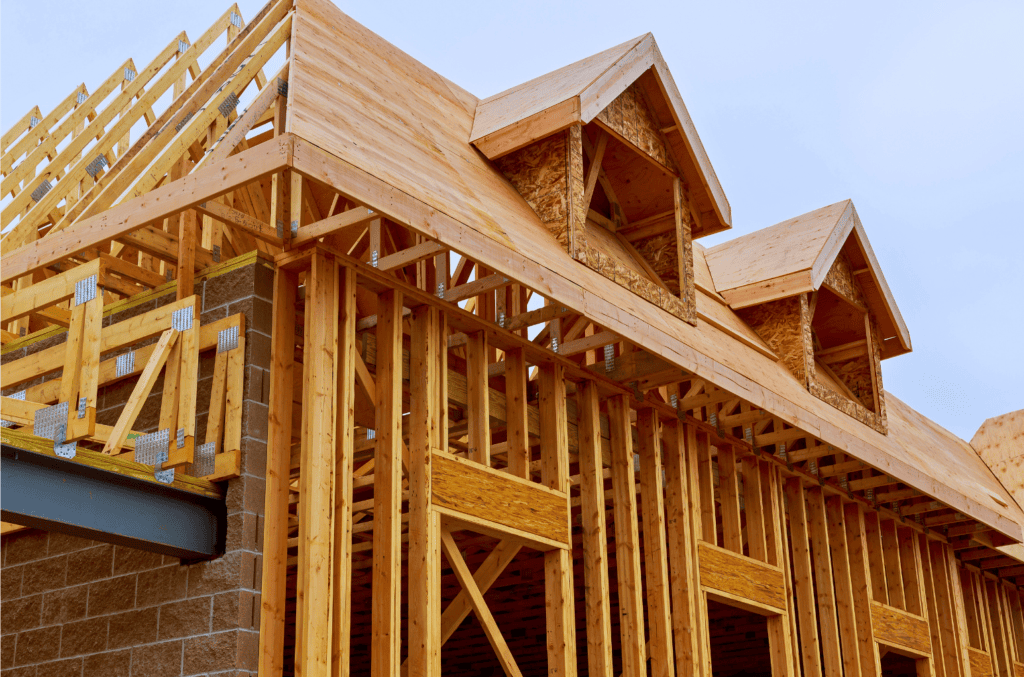
A custom home can start with a simple thought: if you cannot find the right house, why not build it?
That question gets expensive quickly. The advertised construction rate is only one part of the budget. Land, site work, design, permits, financing, municipal charges, upgrades, delays, and unexpected conditions can all change the final number.
The cost to build a custom home in Ontario needs to be viewed as a complete project cost, not a price per square foot.
- The Square Foot Number Is Only the Starting Point
- Land Can Change the Entire Decision
- Design Costs Arrive Before the Foundation
- Permits Are a Budget Item, Not Just Paperwork
- Materials and Labour Move With the Design
- The Site Can Produce the Most Expensive Surprises
- Construction Financing Works Differently From a Regular Mortgage
- A Contingency Is Part of the Budget
- Time Has a Cost Too
- Warranty Coverage Depends on How You Build
- So, When Does Building Make Sense?
- Build the Budget Before You Build the House
The Square Foot Number Is Only the Starting Point
For 2026, Ontario custom building guides place a typical mid-range custom build at roughly $375 to $500 per square foot for construction, with GTA projects often running higher. Tight urban lots, complicated designs, premium finishes, and difficult site conditions can push costs well beyond that range.
That makes the cost per square foot to build in Ontario useful for early planning, but not for setting the final budget. A 2,500 square foot home at $400 per square foot suggests about $1 million in construction alone, before land, design, servicing, financing, permits, landscaping, and upgrades.
Land Can Change the Entire Decision
The lot comes first, and its purchase price is only one expense. Buyers may also face legal costs, surveys, land transfer tax, demolition, utility work, grading, excavation, or soil issues.
If the property is in Toronto, buyers generally pay the provincial land transfer tax plus Toronto’s municipal land transfer tax. Toronto revised its municipal rates for high-value residential purchases in April 2026, which makes the purchase price of the lot especially important in a high-end custom build.
This is why custom home costs in Ontario 2026 can look reasonable until the land is added. A cheaper lot can also hide access, grading, servicing, or zoning problems. Confirm what can legally and practically be built before buying.
Design Costs Arrive Before the Foundation
A custom home needs plans that work for the owner, the site, local zoning, and the Ontario Building Code. Architectural design, engineering, surveys, and other professional services can sit outside the basic construction quote.
Current Ontario planning estimates commonly place soft costs, including design, engineering, permits, surveys, legal work, and financing, around $25 to $55 per square foot, though actual amounts vary by project.
These custom home construction costs are easy to underestimate because much of the money is spent before construction begins. Careful design can also prevent expensive changes once framing and mechanical work are underway.
Permits Are a Budget Item, Not Just Paperwork
The permit amount depends on the municipality and the work involved. Toronto, for example, charges 2026 building permit fees for new single-family homes using a service index of $18.56 per square metre, plus a residential unit fee and applicable mechanical or plumbing fees.
But building permits Ontario buyers need may be only one part of municipal costs. A project can also involve variances, demolition approvals, development charges, conservation authority requirements, or other local fees.
Toronto also changed the payment timing for non-rental residential development charges, with applicable charges due before an occupancy permit is granted.
The lesson is simple: do not use a generic permit allowance without checking the municipality and the specific lot.
Materials and Labour Move With the Design
Once construction begins, the visible choices start multiplying. Windows, roofing, insulation, flooring, cabinets, plumbing fixtures, lighting, appliances, millwork, exterior cladding, heating, cooling, and smart-home systems can each move the budget.
The cost to build a custom home in Ontario rises quickly when upgrades are made across many categories at once. A small increase for flooring may seem manageable, but the same choice across windows, cabinetry, tile, fixtures, and lighting can add a large amount.
Labour matters too. Complicated details take time, so buyers should insist on a clear specification sheet before signing.
The Site Can Produce the Most Expensive Surprises
A finished house hides much of the work that happened below it. Excavation, soil removal, foundation conditions, drainage, retaining walls, service connections, and access for machinery can create costs that are difficult to predict from a listing photo.
This matters when deciding whether to build or buy a home in Ontario. An existing house has already absorbed many site-development costs, while a vacant or teardown lot may require them again.
Urban infill can also bring narrow access, tree restrictions, demolition, and limited space for equipment. A lot should be evaluated as a building site, not simply as an address.
Construction Financing Works Differently From a Regular Mortgage
Financing a build can feel unfamiliar to buyers who have only purchased completed homes. Funds are often advanced as construction progresses rather than delivered in one amount at closing.
CMHC’s new-construction financing framework recognizes owner-built and contract-built homes and requires approval before construction begins or at an early stage for insured financing. It also notes that, for owner-built and contract-built arrangements, the borrower must hold title to the land by the first advance.
Because construction financing arrangements in Ontario can vary by lender and project, buyers should discuss cash requirements, draw schedules, inspections, interest costs, land equity, and completion conditions before committing to a lot.
Cash may be needed before the next draw is released, while interest continues during construction.
A Contingency Is Part of the Budget
A custom build with no contingency is a budget that assumes every condition, quote, decision, and delivery will go as planned.
Current 2026 Ontario building estimates commonly recommend keeping roughly 10 to 15 percent of the construction budget available for contingencies.
That reserve can protect the project when custom home construction costs change because of site conditions, substitutions, or owner-requested changes.
Do not spend the contingency on upgrades at the beginning. It needs to remain available for actual problems.
Time Has a Cost Too
A custom build is usually measured in many months, not a single season. Current Ontario planning ranges put the full custom home building timeline at roughly 18 to 30 months from early design to move-in, with design, approvals, and construction all contributing to the schedule.
During that period, buyers may be paying rent, carrying another home, paying construction interest, or covering taxes and insurance on the site.
Weather, permit reviews, product lead times, trade availability, and design changes can extend the schedule and affect cash flow.
Anyone comparing the cost to build a custom home in Ontario with buying should assign a value to the extra time and uncertainty.
Warranty Coverage Depends on How You Build
The way the project is structured also affects protection. Tarion says a contract home, where the landowner hires one builder to supply the labour and materials, may qualify for statutory warranty protections. An owner-built home, where the owner exercises significant control or supplies essential elements, does not receive the same statutory warranty coverage.
That distinction deserves attention before choosing a builder or deciding to manage trades yourself.
For buyers assessing custom home costs in Ontario 2026, a cheaper arrangement may carry responsibilities or risks that a full-service construction contract handles differently. Review contracts, insurance, warranty coverage, and builder credentials before work begins.
So, When Does Building Make Sense?
Building can make sense when you own a suitable lot, want a layout that is difficult to find, plan to stay for years, and have enough financial room for changes.
Buying may make better sense when timing matters, the budget has less flexibility, or suitable homes already exist where you want to live.
The decision to build or buy a home in Ontario should compare complete costs on both sides. For a build, include land, taxes, design, approvals, construction, financing, contingency, landscaping, and carrying costs. For an existing home, include the purchase price, taxes, immediate repairs, renovations, and maintenance.
A custom home gives buyers control over the result. An existing home gives them greater certainty about price and timing.
There is also a lifestyle cost to consider. Building asks the buyer to make hundreds of decisions over many months, from outlet locations to cabinet hardware. Some people enjoy that level of control. Others would rather spend their time choosing among finished homes and know the purchase price before they commit.
That personal tolerance for uncertainty belongs in the comparison alongside the spreadsheet.
Build the Budget Before You Build the House
The cost to build a custom home in Ontario in 2026 cannot be reduced to one attractive square foot figure. The final amount is shaped by the land, the site, the design, municipal requirements, materials, labour, financing, selections, and the time required to finish the project.
Before buying a teardown, vacant lot, or existing home for redevelopment, compare the full project budget with what completed homes are selling for in the neighbourhood.
If you are weighing a custom build against buying an existing home in West Toronto, contact the Smith Proulx Real Estate Team to book a buyer consultation. Their local knowledge can help you assess land value, neighbourhood sales, redevelopment potential, and whether building or buying makes better financial sense for your plans.
Sign Up For Our Newsletter
Looking for more great real estate content? Get it delivered to your inbox with our newsletter!