More House or Better Location? The West Toronto Trade-Off Every Buyer Eventually Faces
10/12/26
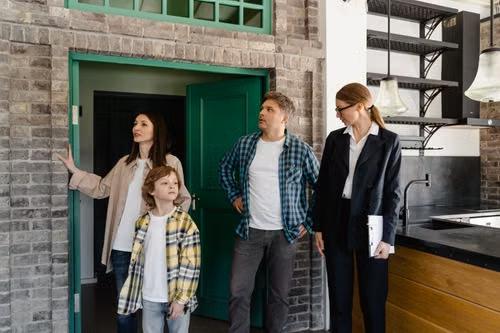
The larger house wins the showing. It has a room for work calls, space for overnight guests, and storage that doesn’t require another trip to the basement. Then you leave and remember the smaller house is close to friends, transit, and the places you already visit every week.
One benefit is easy to photograph. The other becomes obvious at 6:30 on a rainy Thursday, when someone needs groceries, a child needs picking up, and nobody wants another drive.
People searching for home size vs location Toronto often hope there is a formula. There isn’t. But you can tell which compromise will bother you and which you may barely notice after moving in.
- First, Find Out What the Extra Room Would Do
- Your Commute Is Part of the Purchase Price
- A Good Neighbourhood Can Give You Space Outside the House
- Never Assume an Address Guarantees a School
- Compare Monthly Life, Not Just Mortgage Payments
- Renovation Potential Is Not the Same as Renovation Permission
- Think About the Person Who Might Buy It From You
- Plan for Change Without Buying a Fantasy Future
- The Floor Plan Can Beat the Floor Area
- Put Both Homes Through a Tuesday Test
- Choose the Compromise You Can Live With
First, Find Out What the Extra Room Would Do
A bigger property is useful when the space solves a problem you already have. Two people working from home may need separate rooms with doors. A household sharing one bathroom may be ready for a second.
Think about where family members spend their time before deciding what matters when buying a home in West Toronto. Would the extra bedroom be occupied every night or six weekends a year? Could a basement office do the job? Does a wider living room matter if the kitchen cannot seat everyone?
A house can have impressive square footage and a frustrating floor plan. In a house size vs location comparison, judge rooms by how you would use them, not how many appear on the listing.
Your Commute Is Part of the Purchase Price
An extra 25 minutes each way adds four hours and ten minutes to a five-day workweek. That time comes out of sleep, exercise, childcare, or whatever currently makes your weekdays manageable.
The location vs square footage Toronto decision becomes sharper when you test actual trips. Check the route at the time you would leave, including the walk to transit, transfers, parking, and the trip home. A quiet Sunday drive proves little.
If the larger property means keeping a second car, count insurance, maintenance, fuel, and parking. In a house size vs location comparison, your calendar belongs beside the asking price.
A Good Neighbourhood Can Give You Space Outside the House
A small kitchen feels different when you can walk to a café. Limited outdoor space may be easier to accept when a park is part of your routine. For some buyers, nearby shops and transit take pressure off the house itself.
That is the case for buying a smaller home in a better neighbourhood, especially in walkable pockets of Roncesvalles, Bloor West Village, or The Junction. But convenience varies street by street.
Visit after dark and during rush hour. Notice traffic noise, parking, hills, and how the walk feels in bad weather. When buying a home in West Toronto, remember that a neighbourhood you enjoy visiting may not suit every part of your week.
Never Assume an Address Guarantees a School
Families sometimes choose a smaller house because they believe the location gives them access to a particular school. That assumption needs checking before an offer.
School attendance boundaries, program availability, and enrolment rules can change. Verify the address with the relevant school board and ask about the program your child would attend. A nearby school is not automatically the assigned one.
When choosing between house and location, consider the whole school day. Can a child eventually walk? Who handles pickups? What happens if an after-school program is full? A workable routine can be the deciding factor.
Compare Monthly Life, Not Just Mortgage Payments
Suppose the larger home costs less to buy. Its heating, maintenance, property taxes, insurance, and transport costs may still be higher. The smaller home might carry a larger mortgage but reduce the need for a car.
A careful house size vs location comparison includes ownership costs and the expenses created by the address. For condos, include monthly fees and review what they cover. For older houses, leave room for repairs you cannot predict exactly.
Anyone weighing home size vs location Toronto should ask how much financial breathing room remains after closing. Parental leave, changing income, or a furnace replacement can make a stretched budget uncomfortable.
Renovation Potential Is Not the Same as Renovation Permission
A dated house can look like an opportunity: buy in the preferred area now and improve it later. That may work for finishes or a better layout. Adding bedrooms, moving structural walls, or building an addition is another matter.
For home size vs location Toronto, distinguish changes within your control from limits attached to the property. Lot dimensions, zoning, setbacks, shared walls, basement height, and permit requirements can restrict your plans.
When choosing between house and location, ask a qualified contractor or designer to assess feasibility before relying on future construction. Get estimates with a contingency. A cheaper home that needs extensive work can quickly become the expensive option.
Think About the Person Who Might Buy It From You
Resale matters even if you expect to stay for years. Buyers often continue to value access to transit, schools, parks, and shopping, though preferences and market conditions can shift.
The relationship between property value and location Toronto is not a guarantee that the smaller home will outperform. A poor layout, expensive condo fees, or a busy road can limit its appeal. A well-designed larger home may attract households seeking space.
Study recent sales of genuinely similar properties. In a house size vs location decision, street, condition, parking, lot, and layout offer better evidence than a neighbourhood-wide average.
Plan for Change Without Buying a Fantasy Future
A nursery becomes a bedroom. Children become teenagers who want to see friends without a lift. A home office may become a guest room for an aging parent. Some needs change without warning.
A useful West Toronto home buying guide should ask what is likely within five years, not attempt to plan every decade. Which changes would require another room? Which would make stairs difficult? Could one person manage the commute if work arrangements changed?
When choosing between house and location, avoid paying a large premium for a possibility that may never happen. But take seriously a limitation that would force you to move again soon. These are different risks.
The Floor Plan Can Beat the Floor Area
Two homes with the same advertised size may function differently. Long hallways, awkward staircases, low basement ceilings, and unusable corners reduce the space you can actually live in.
When buying a home in West Toronto, bring measurements for your sofa, dining table, bed, and desk. Stand where each would go. Open closet doors. Check whether backpacks, laundry, and sports gear have a place to land.
A compact home with sensible storage can feel easy to manage. A larger house with a poor layout may still leave everyone competing for the same rooms. That is worth testing during a showing.
Put Both Homes Through a Tuesday Test
Instead of ranking properties by photos, try one of these West Toronto real estate buying tips: write down a normal weekday. Include school runs, work, meals, exercise, errands, and the people you see regularly. Then run that schedule from each address.
The test works best when you are honest. Check transit schedules and drive times. Walk the block. Estimate monthly costs, not just the mortgage. Ask which inconvenience appears daily and which might happen twice a year.
For a clearer home size vs location Toronto comparison, give each home three scores: how well it works now, what it costs to maintain, and whether it could handle one likely household change. Identify one dealbreaker before deciding.
Choose the Compromise You Can Live With
No one wins for having the most square footage, and a famous neighbourhood name will not make cramped rooms comfortable. The right choice should work on an ordinary day, within a budget that leaves breathing room.
If choosing between house and location still feels close, return to what cannot be changed. You may be able to remodel a kitchen or make a room work harder. Moving a home closer to family, transit, or school is impossible.
The Smith Proulx Real Estate Team knows how differently West Toronto streets and housing types can work for buyers. For help comparing actual properties and deciding what deserves priority, book a buyer’s consultation.
Sign Up For Our Newsletter
Looking for more great real estate content? Get it delivered to your inbox with our newsletter!