The 10-Year Home Test: Will This West Toronto House Still Work for You?
11/10/26

The small bedroom fits your desk. The stairs don’t bother you. Two people can share the kitchen counter, as long as nobody opens the dishwasher.
Now change one thing. Someone starts working from home. A parent stays for a while. A child arrives, or carrying laundry upstairs becomes exhausting. Suddenly, the details you barely noticed at the viewing matter every day.
That’s the challenge with buying a long-term home in West Toronto. You cannot predict ten years, but you can spot a house that leaves you choices.
- Start With the Weekday Nobody Photographs
- Make a Floor Plan for the People Who Aren't Here Yet
- Flexible Space Beats Space You Can't Use
- The Closest School Isn't Always the Assigned One
- Take the Commute You'll Actually Take
- The Street May Matter After the House Stops Surprising You
- Don't Pay Today for a Renovation That Might Never Happen
- Ask What's Happening Beyond the Fence
- The Monthly Payment Is Only the Beginning
- What If You Need to Sell in Year Six?
- Give Every Property Three Versions of Your Life
- Choose What You Can Live With, Not What You Can Ignore
Start With the Weekday Nobody Photographs
An open house is quiet. The counters are clear, and nobody is rushing out with a wet coat. Imagine a Tuesday morning instead. Where do bags land? Can two people get ready without waiting for the bathroom? Where will a stroller or bicycle go?
For choosing a home for long-term living, begin with the frustrations in your current place. If you already struggle with storage, a house with prettier finishes and the same storage problem isn’t much progress.
Return at a different time if you can. Listen for traffic, check parking, and run errands at the grocery store. The house must work on an ordinary day.
Make a Floor Plan for the People Who Aren’t Here Yet
A room count rarely tells the whole story when buying a home for future needs. A child needs different space from an older relative. A partner might need quiet to study; someone recovering from an injury may need a bedroom near a bathroom.
Think in functions rather than bedroom counts. Can the dining room double as a workspace? Would a spare room fit a bed and storage? Is there enough privacy if two people work different hours?
Searches for family-friendly homes West Toronto reveal possibilities, but listings cannot tell you how you’ll use the rooms. Measure the awkward corners and check where doors swing.
Flexible Space Beats Space You Can’t Use
A basement sounds useful until you find low ceilings and damp walls. A den may photograph well but offer no door, making it difficult for calls or sleep.
Future-proofing a home starts with windows, outlets, ventilation, storage, and a route that avoids someone’s workspace. In a Junction semi, an enclosed room may beat a larger open space.
Keep an eye on stairs too. A main-floor bathroom or a possible ground-level sleeping space could help during illness or after surgery. Buying a forever home in Toronto means noticing limits you cannot fix cheaply.
The Closest School Isn’t Always the Assigned One
The school around the corner looks convenient, but attendance boundaries don’t follow the shortest route. Programs and enrolment conditions can also differ.
This West Toronto home buying guide has one rule worth keeping: check school eligibility using the property’s exact address. The Toronto District School Board offers a school finder, and other boards have their own registration information. Confirm eligibility with the board before you buy.
For choosing a home for long-term living, think beyond kindergarten. Can a teenager reach school, activities, and friends without a lift? Childcare location matters too.
Take the Commute You’ll Actually Take
A listing’s subway walk excludes the wait, transfer, and distance from the final stop to the office. Add daycare pickup and the calculation changes again.
When buying a long-term home in West Toronto, test the entire trip during a normal workday. Compare the commute for everyone who will live there. A Bloor West Village home near Line 2 and a house in a quieter South Etobicoke pocket may suit very different routines.
If your job moved, could you cycle or take another transit route? Long-term homeownership planning also means keeping that choice open. A manageable commute gives you time back, while a punishing one charges you for the address every weekday.
The Street May Matter After the House Stops Surprising You
A kitchen stops feeling new. The walk to the pharmacy and traffic outside your bedroom remain.
Anyone considering what to look for when buying a house should spend time beyond the front door. Walk the block at night. See how children cross the road. Notice whether groceries, green space, and medical appointments fit into your routine.
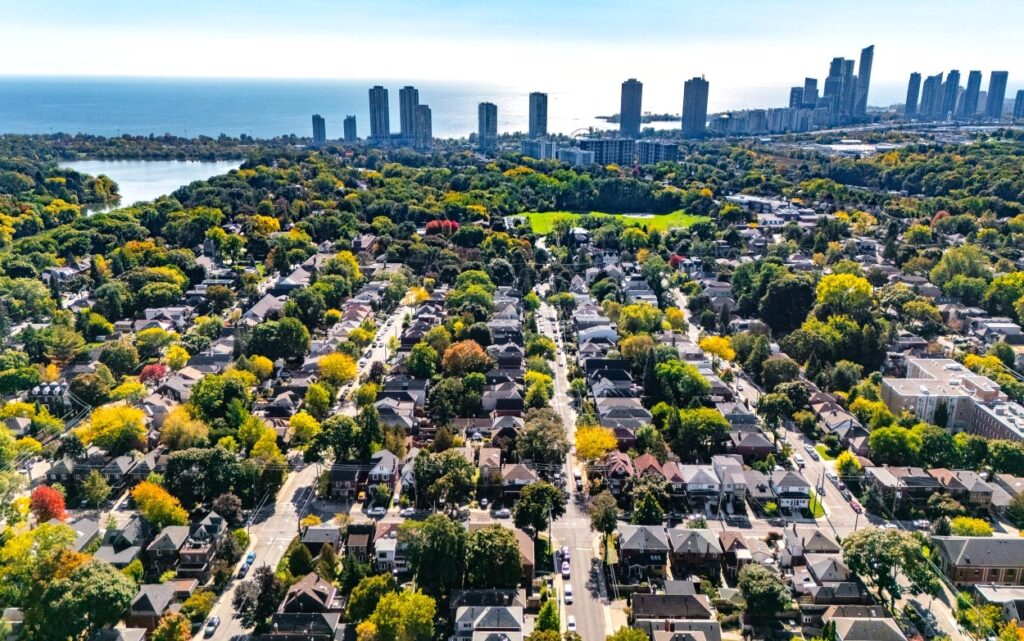
High Park, Roncesvalles, Swansea, and The Junction suit different routines. None is automatically the right answer. When choosing a home for long-term living, favour the area that fits your life rather than a neighbourhood reputation you’ve heard about.
Don’t Pay Today for a Renovation That Might Never Happen
In a dated house, you may imagine moving walls or converting the basement. Those possibilities aren’t guarantees.
If you’re researching home renovation potential Toronto, bring a qualified contractor or inspector into the conversation early. Look at moisture, ceiling height, drainage, plumbing, structural walls, and access for construction. Get estimates before relying on the work.
The City of Toronto requires permits for various structural changes, additions, and basement conversions. Approval isn’t automatic. Long-term homeownership planning should distinguish between moving a sofa and moving a load-bearing wall.
You should be comfortable there before renovating. Otherwise, a delayed permit or an unexpected repair could leave you stuck with the very problem you hoped to remove.
Ask What’s Happening Beyond the Fence
A vacant lot may look permanent when you’re standing in the garden. It isn’t necessarily. Nearby construction could affect sunlight, traffic, and your daily route.
While buying a long-term home in West Toronto, check the City’s Application Information Centre for nearby development and adjustment applications. A proposal is not a guarantee that something will be built, but it’s useful information before an offer.
Also check planned roadworks, transit changes, and local services. Buying a home for future needs includes asking whether the area would still appeal to you if a few familiar details changed.
The Monthly Payment Is Only the Beginning
Lenders assess whether you qualify for a mortgage. You still have to decide whether the payments fit the life you want. A house consuming every dollar leaves little room for leave, repairs, or job changes.
For long-term homeownership planning, build a yearly budget that includes property taxes, insurance, utilities, maintenance, and money set aside for larger replacements. Condo buyers should review fees, reserve-fund information, and possible special assessments. Toronto buyers must also account for applicable land transfer taxes and closing costs.
Try a less comfortable scenario. Could you manage if your mortgage renewed at a higher rate, or if you needed a new roof sooner than expected? When buying a forever home in Toronto, financial breathing room belongs on the wish list beside bedrooms and outdoor space.
What If You Need to Sell in Year Six?
Sometimes a move happens earlier than expected. A job transfer, a separation, or a change in health can shorten the plan. The purchase should still make sense if you sell sooner.
Think about whether the layout is easy for another buyer to understand. A bedroom reached through another bedroom, a bathroom with awkward access, or an expensive alteration with limited appeal may narrow the audience. What to look for when buying a house includes features that remain useful to other households.
Resale values are uncertain. Avoid paying a premium for improvements that solve one uncommon problem.
Give Every Property Three Versions of Your Life
Before making an offer, imagine the home under three conditions: your current routine, a busier household, and a year when money or mobility is tighter. Which rooms become difficult? Which expenses become stressful? Which advantages keep helping?
This is a more useful test than asking whether you love every finish. As a West Toronto home buying guide, it also helps you compare two very different properties without getting distracted by staging. You can repaint. You can’t quiet the street or move the subway.
Choose What You Can Live With, Not What You Can Ignore
A ten-year home needs a workable layout, location, and cost, with room for surprises.
For anyone buying a long-term home in West Toronto, the most valuable questions are often the least glamorous. Where would another person sleep? What if the commute changes? Which problem would linger?
If you’re weighing those decisions, contact the Smith Proulx Real Estate Team for a buyer consultation. Their West Toronto knowledge can help you examine a property’s practical strengths and limits before you make an offer.
Sign Up For Our Newsletter
Looking for more great real estate content? Get it delivered to your inbox with our newsletter!